





























Why choose Vionic shoes for heel pain
The best shoes for heel pain must offer specific biomechanical features that protect the heel during every phase of walking. Vionic's VIO MOTION technology was developed in collaboration with podiatrists precisely to address issues like heel pain, offering therapeutic cushioning integrated into contemporary and versatile designs.
Heel cushioning absorbs repetitive impacts that would otherwise worsen inflammation. Arch support reduces overall stress on the foot, promoting balanced weight distribution. Rearfoot stability keeps the heel in an optimal position, preventing lateral movements that could increase pain.
How Vionic shoes help with heel pain
Vionic's shoes suitable for heel pain address the issue through a comprehensive biomechanical approach. Advanced cushioning in the heel drastically reduces impact during the stance phase, a critical moment for those suffering from heel pain. This protection is particularly important on hard surfaces such as sidewalks, tiled floors, or concrete.
Arch support promotes natural foot alignment, reducing compensatory stress on the heel that often worsens the condition. The rigid heel counter keeps the heel stable and centered, preventing movements that could further irritate inflamed tissues. The calibrated drop between the heel and forefoot promotes a fluid gait without overloading the heel.
This integrated therapeutic approach allows you to walk with significantly less pain during the acute phase and promotes complete recovery, reducing the risk of the condition becoming chronic.
Women's shoes for heel pain: comfort and protection
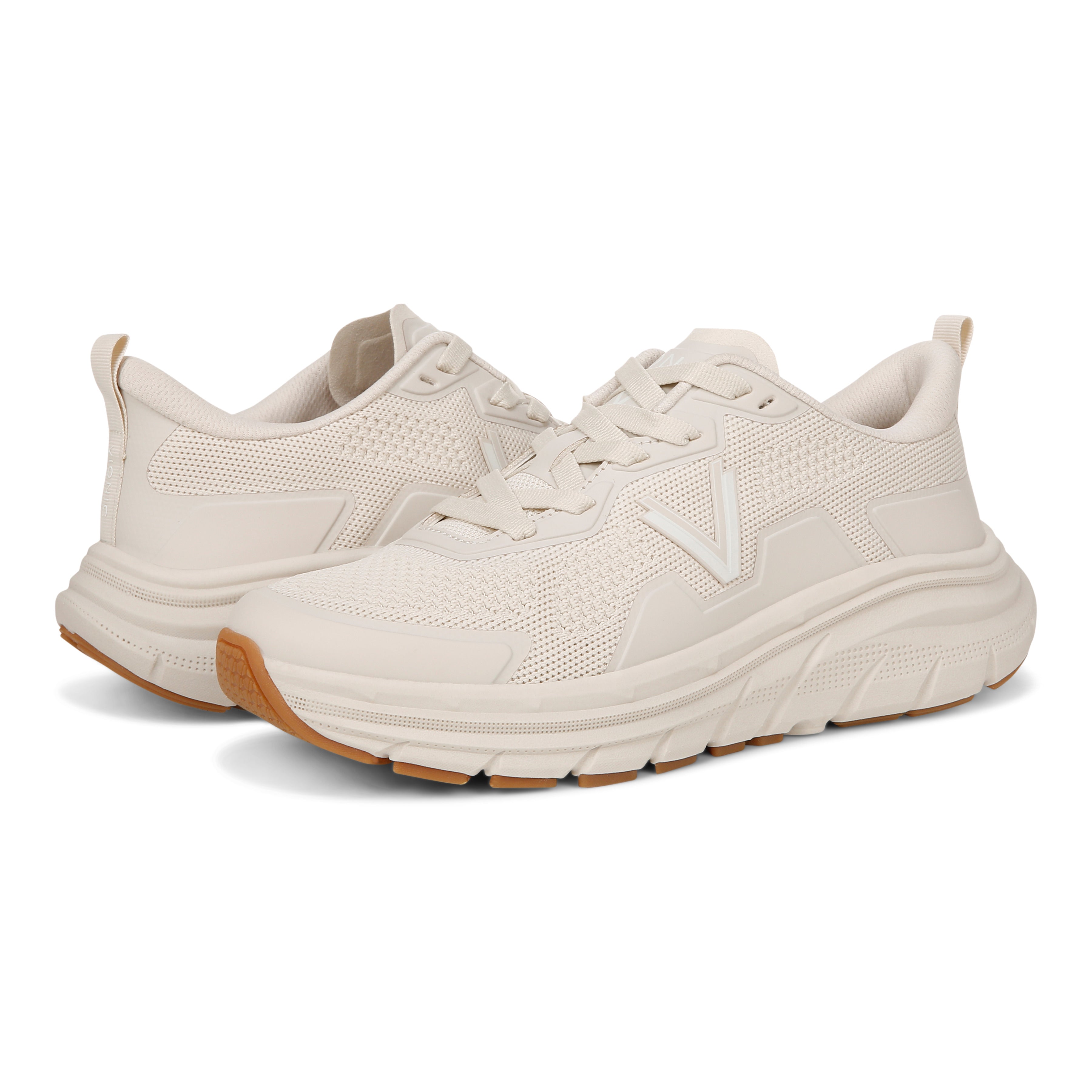
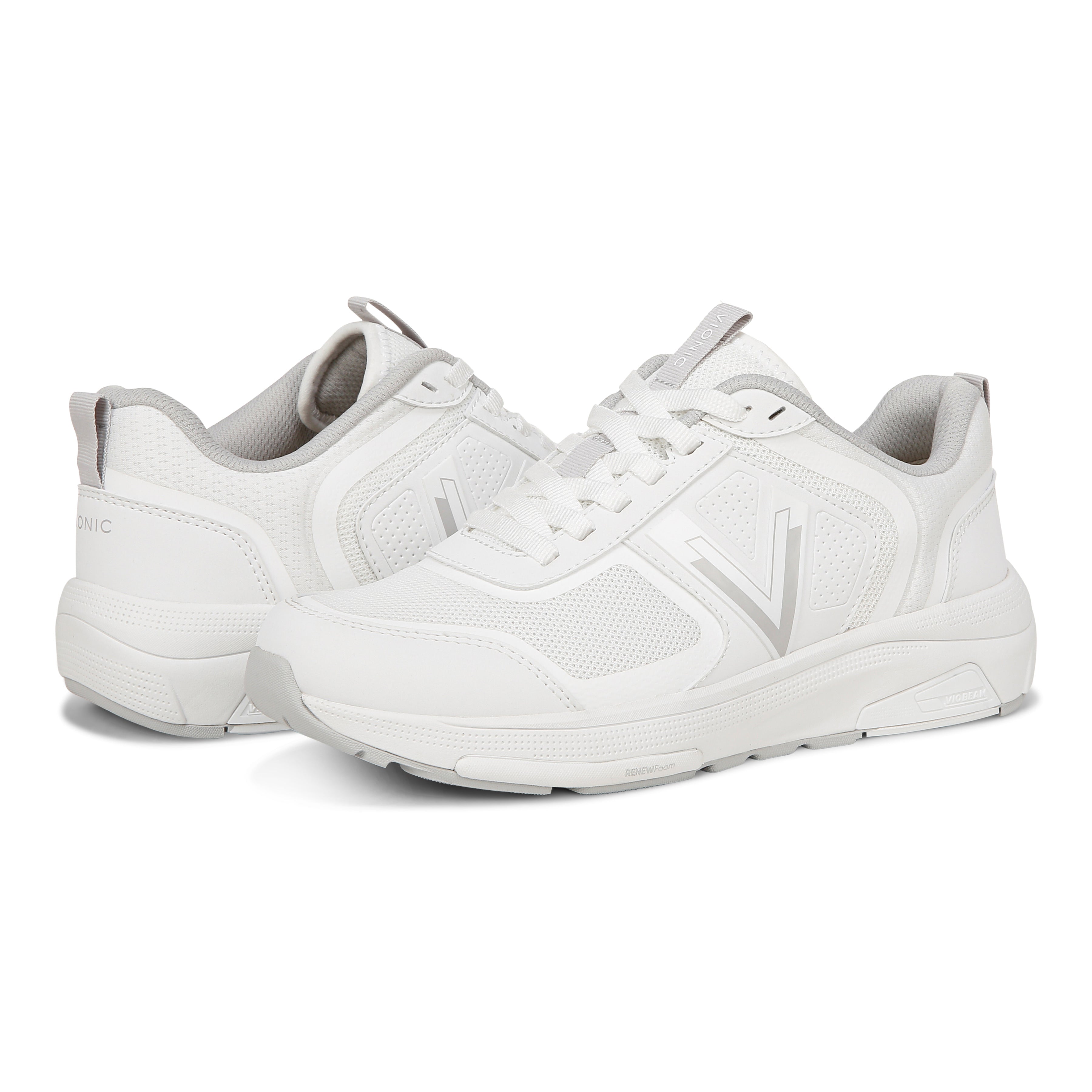
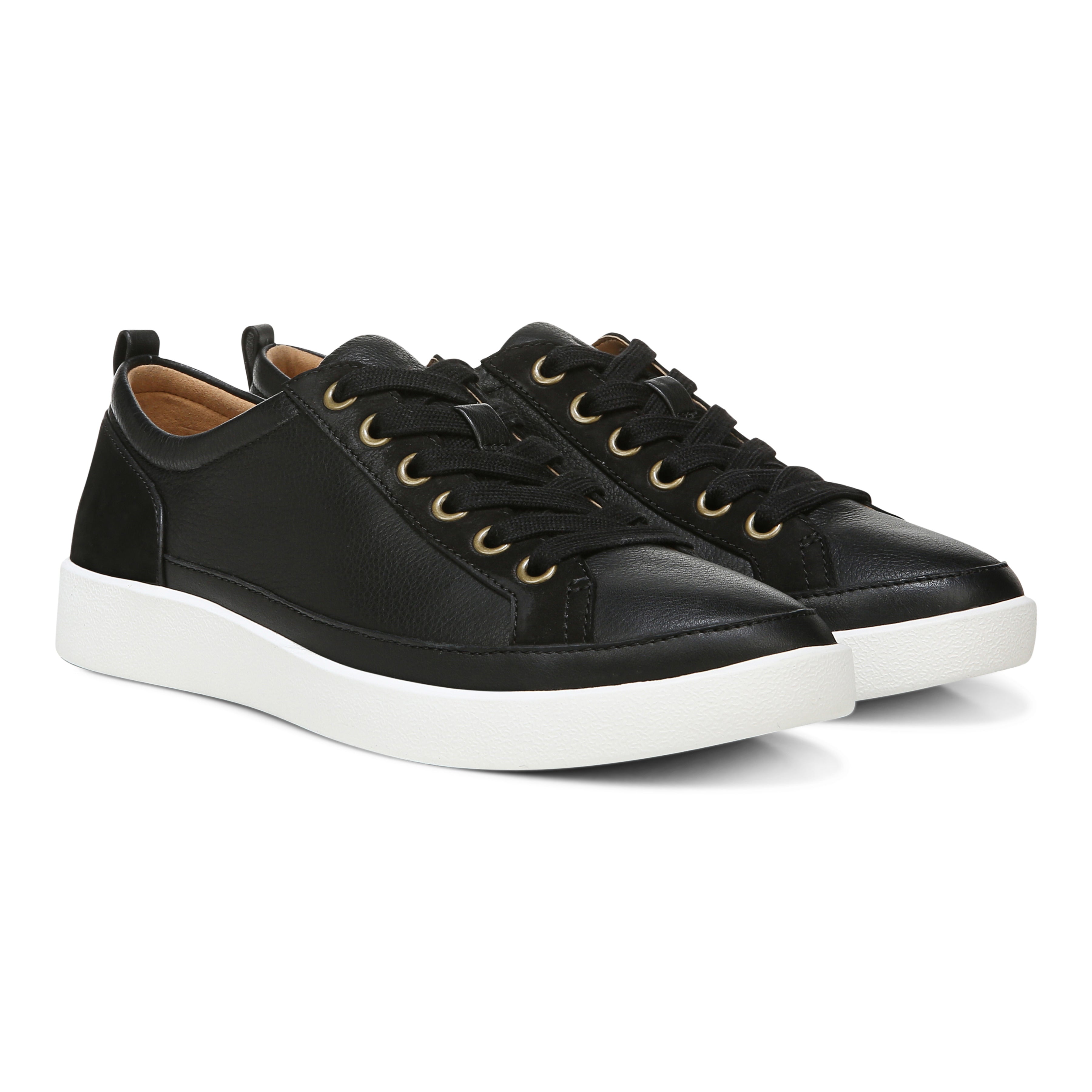
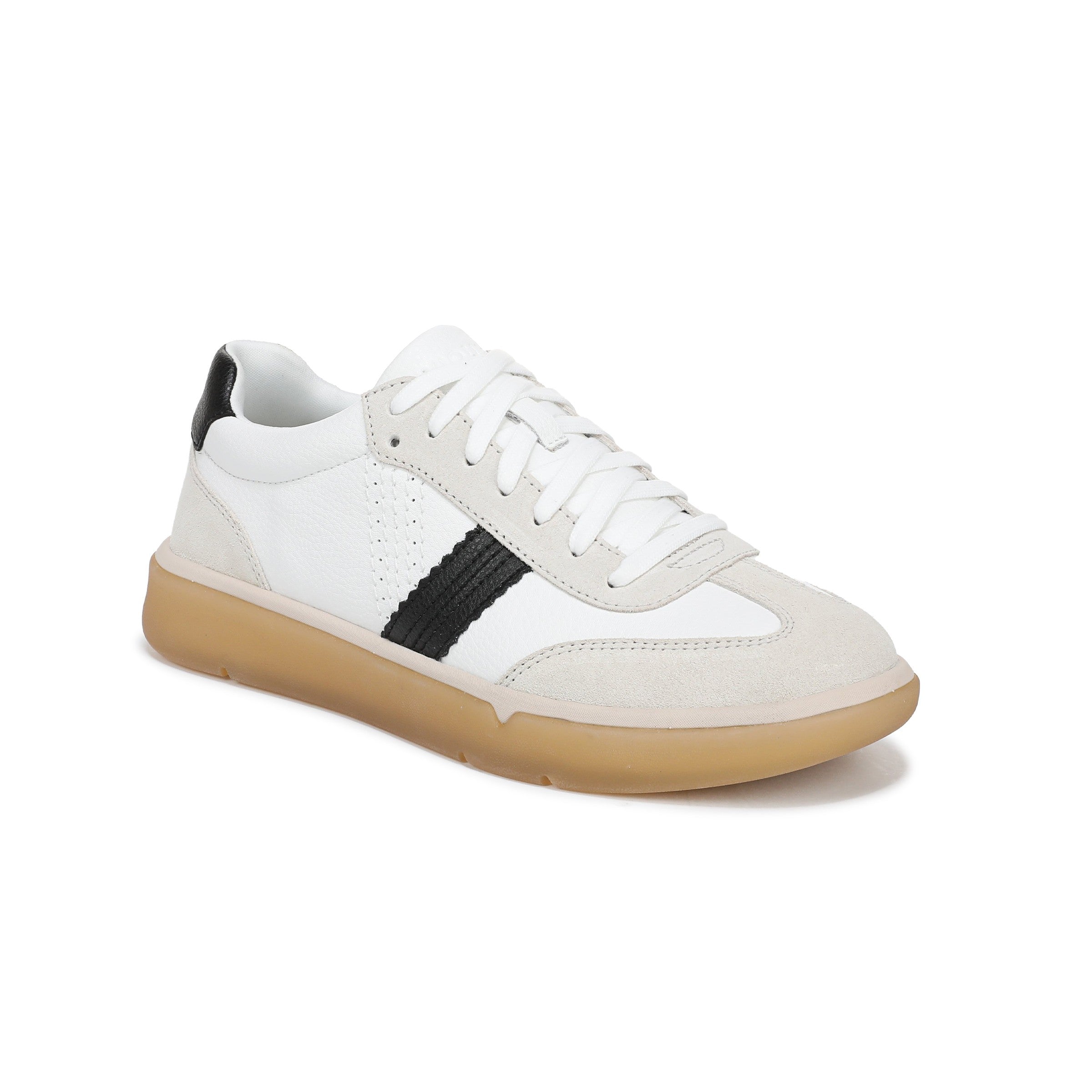
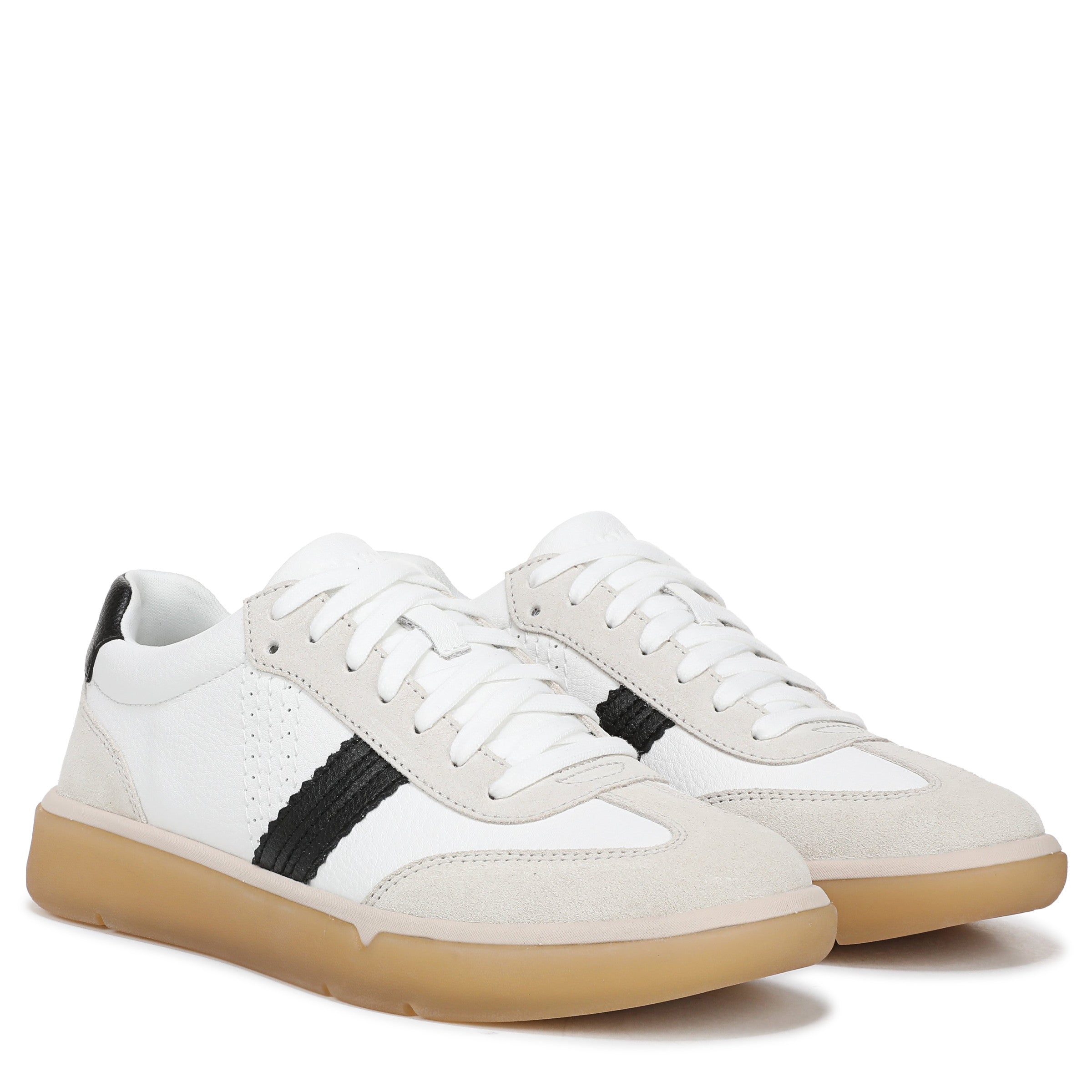
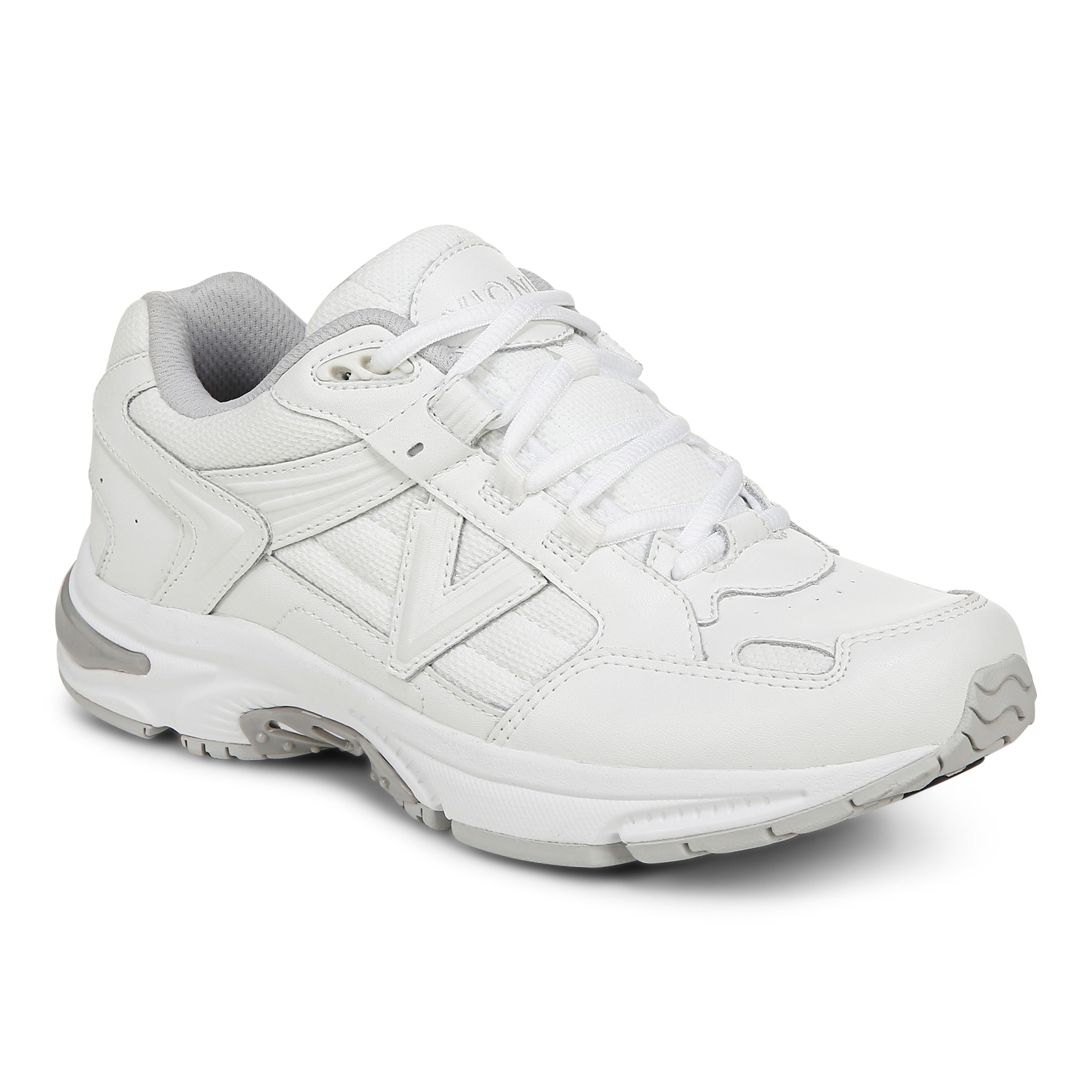
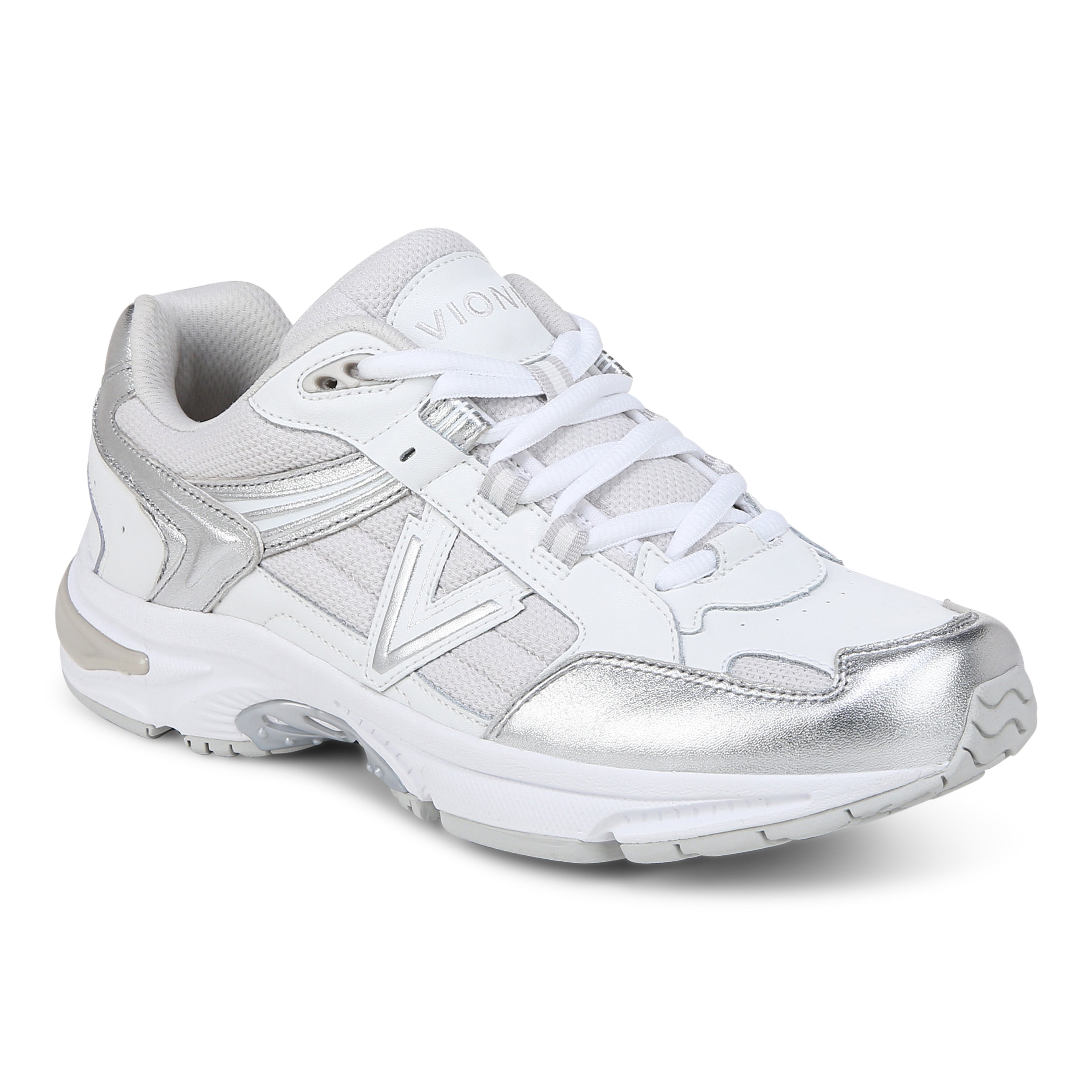
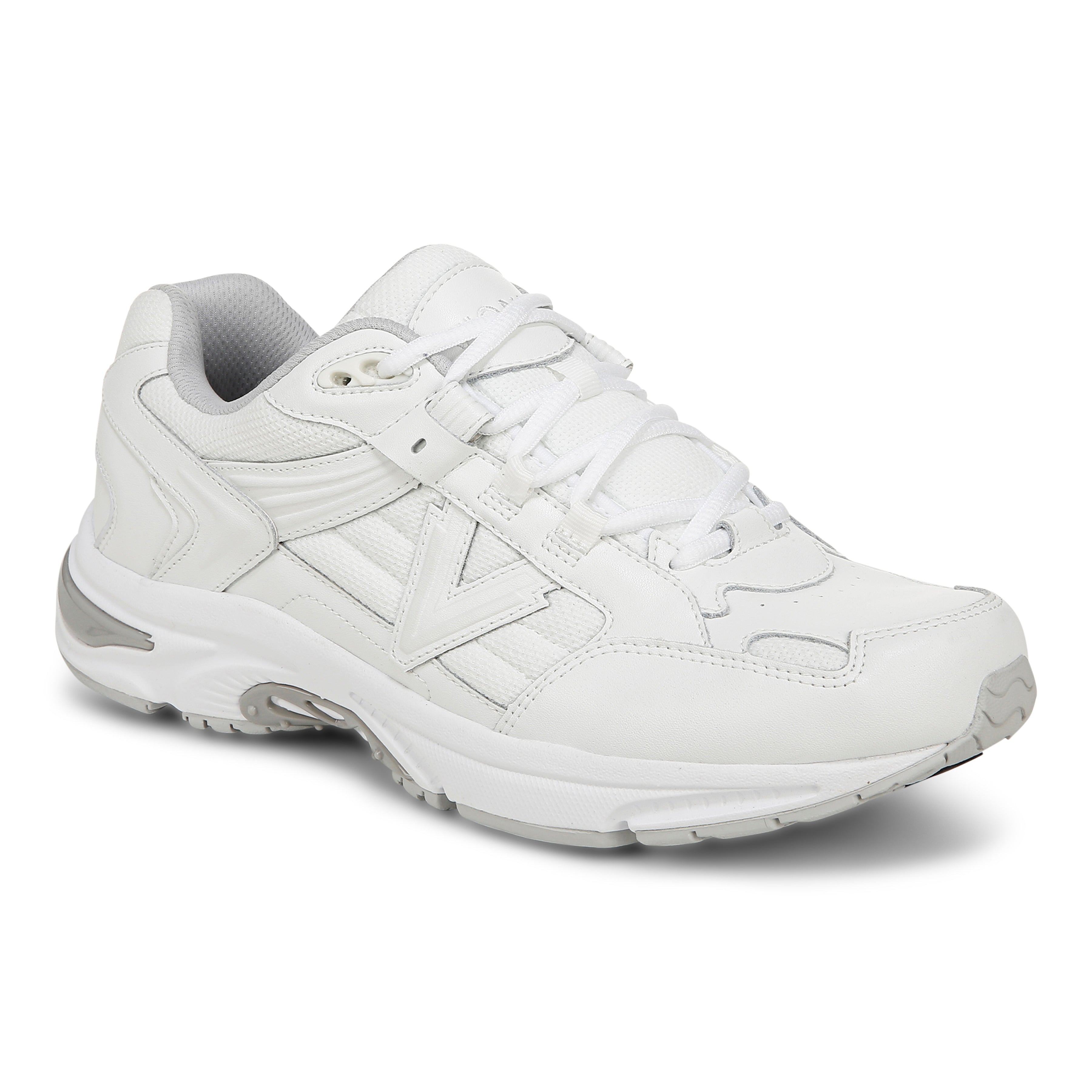
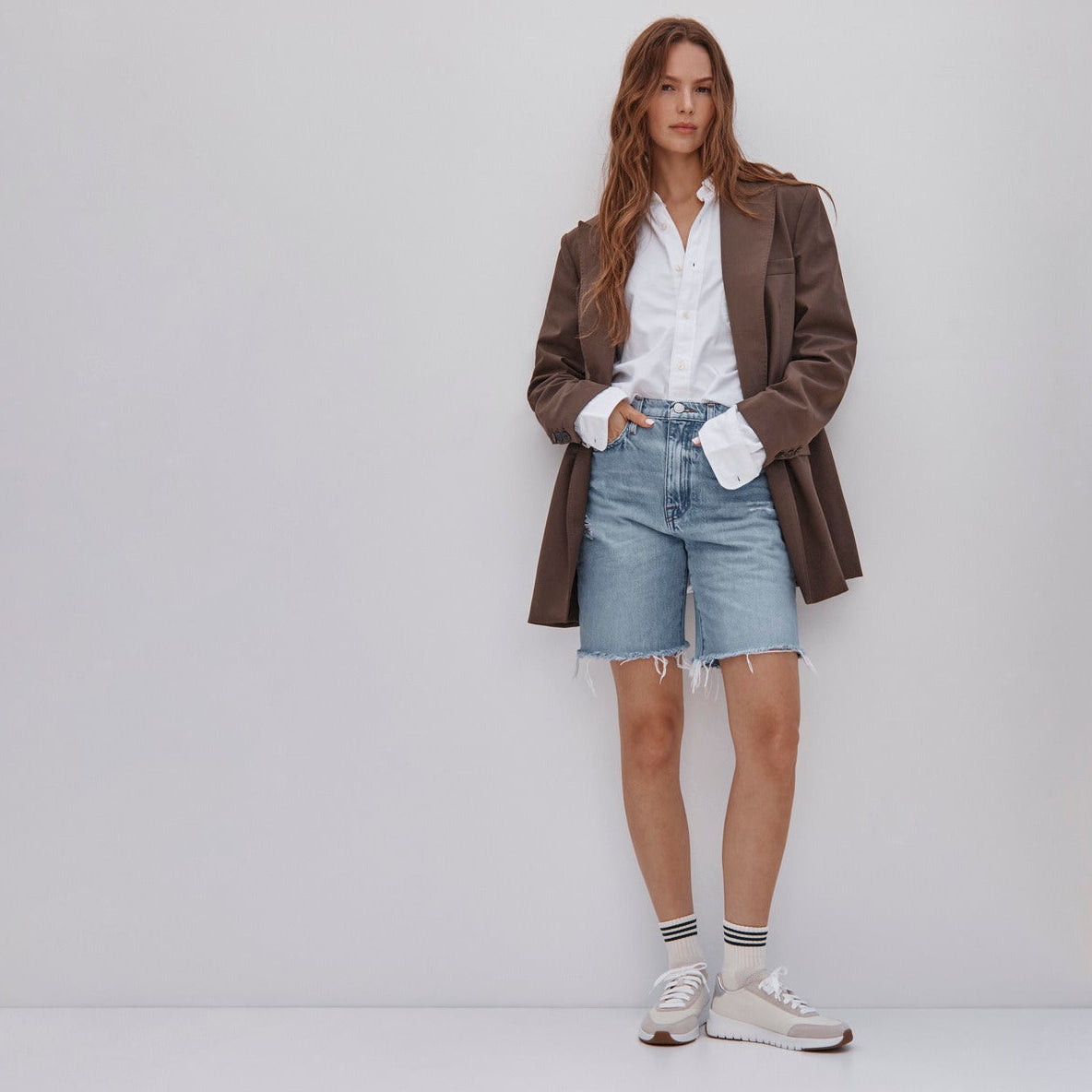
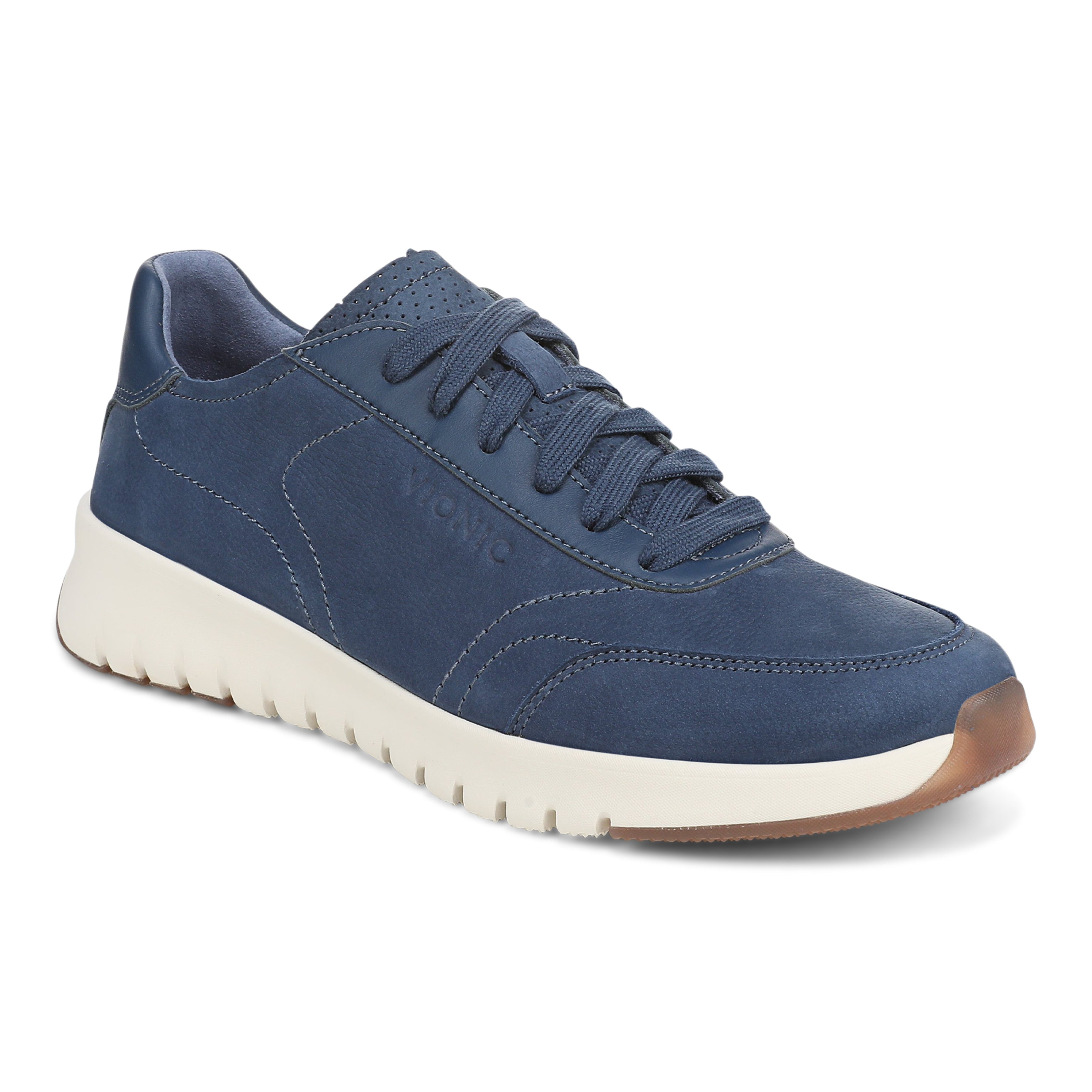
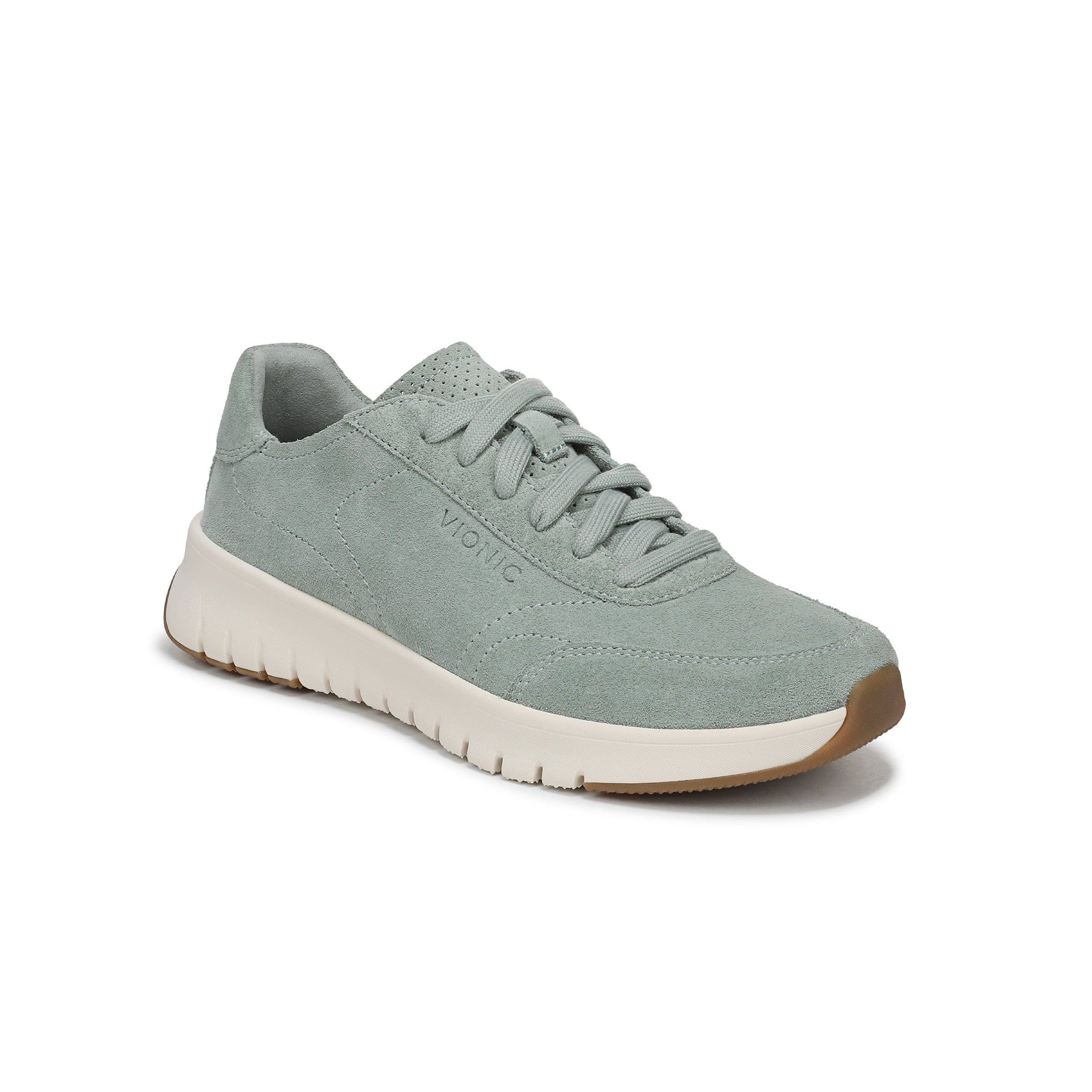
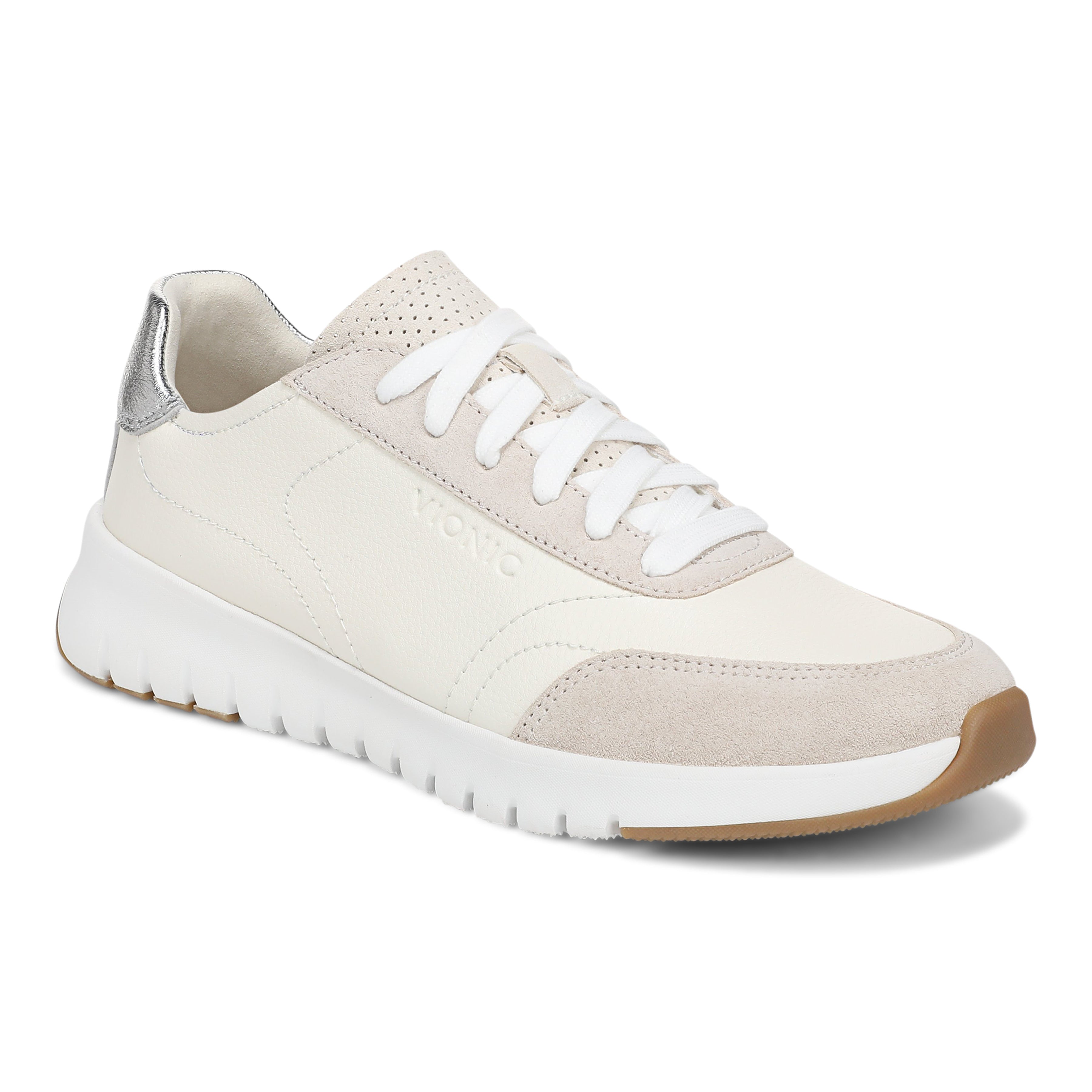
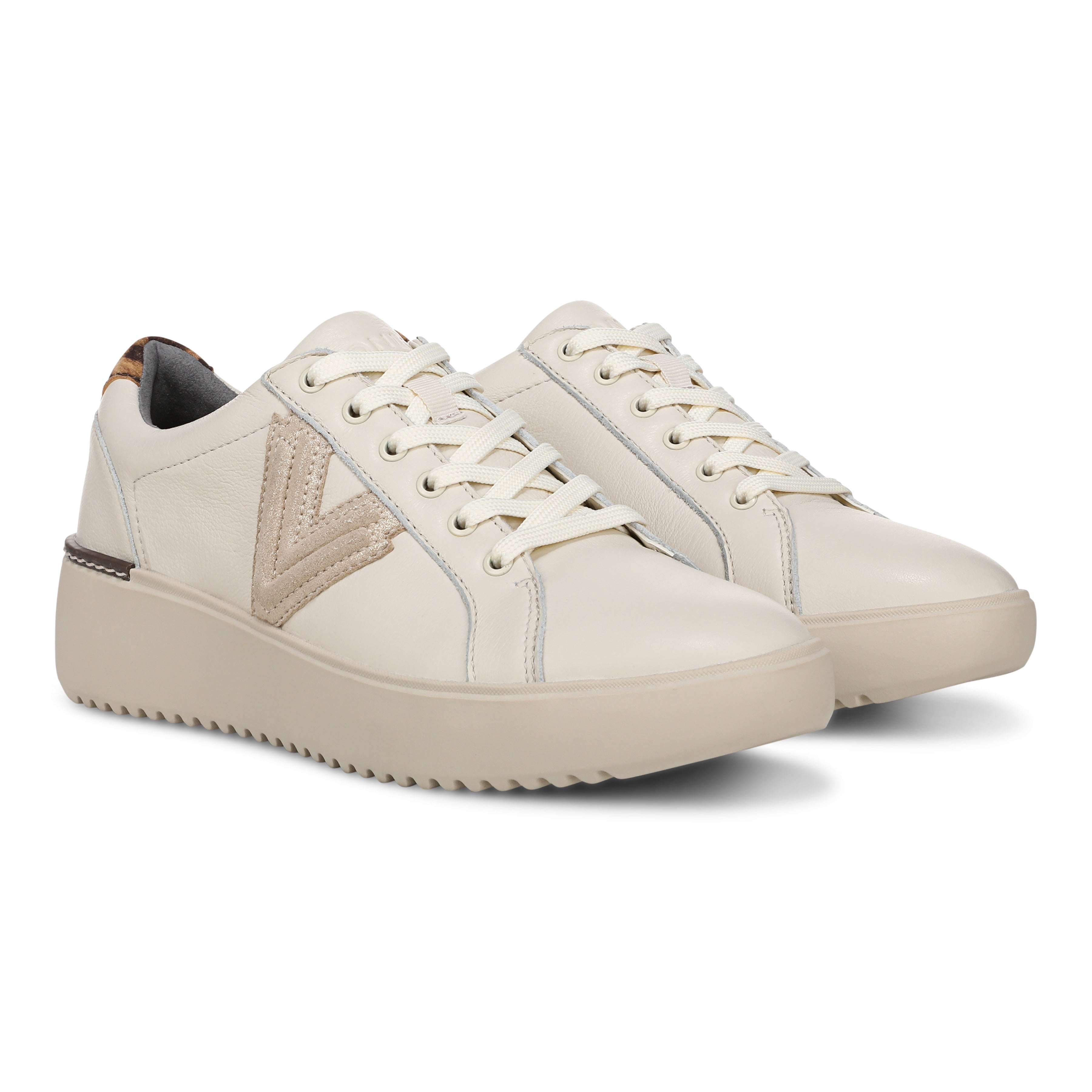
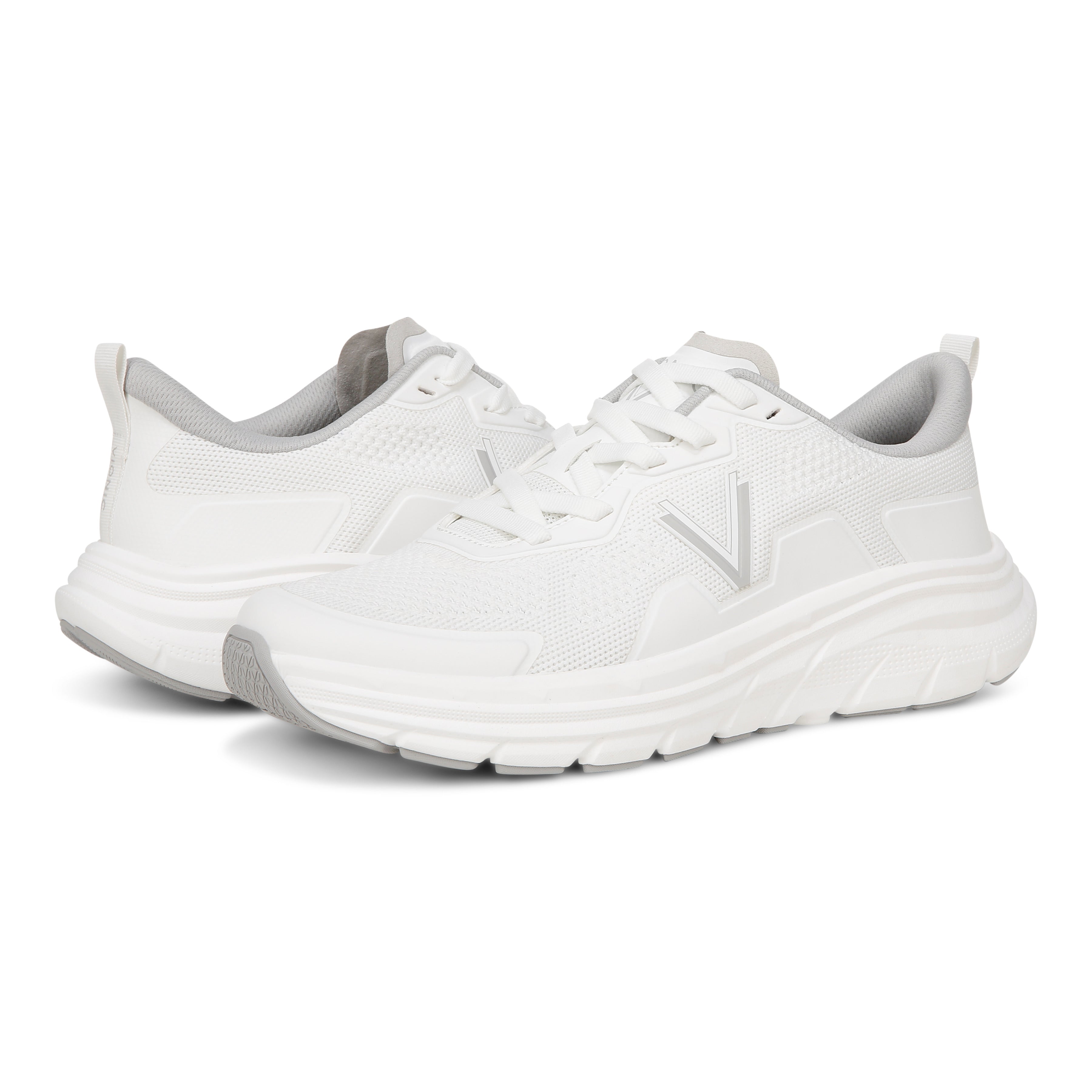
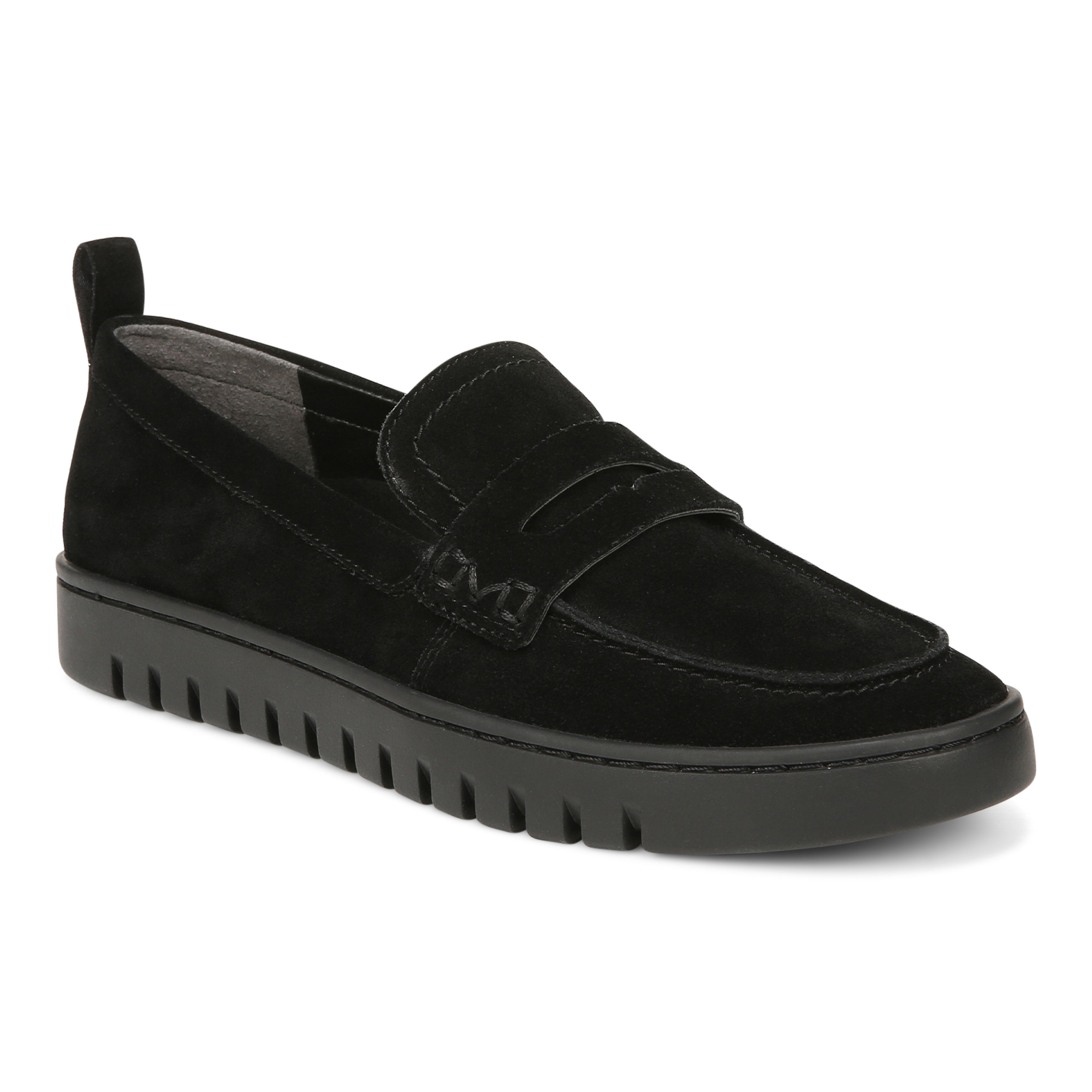
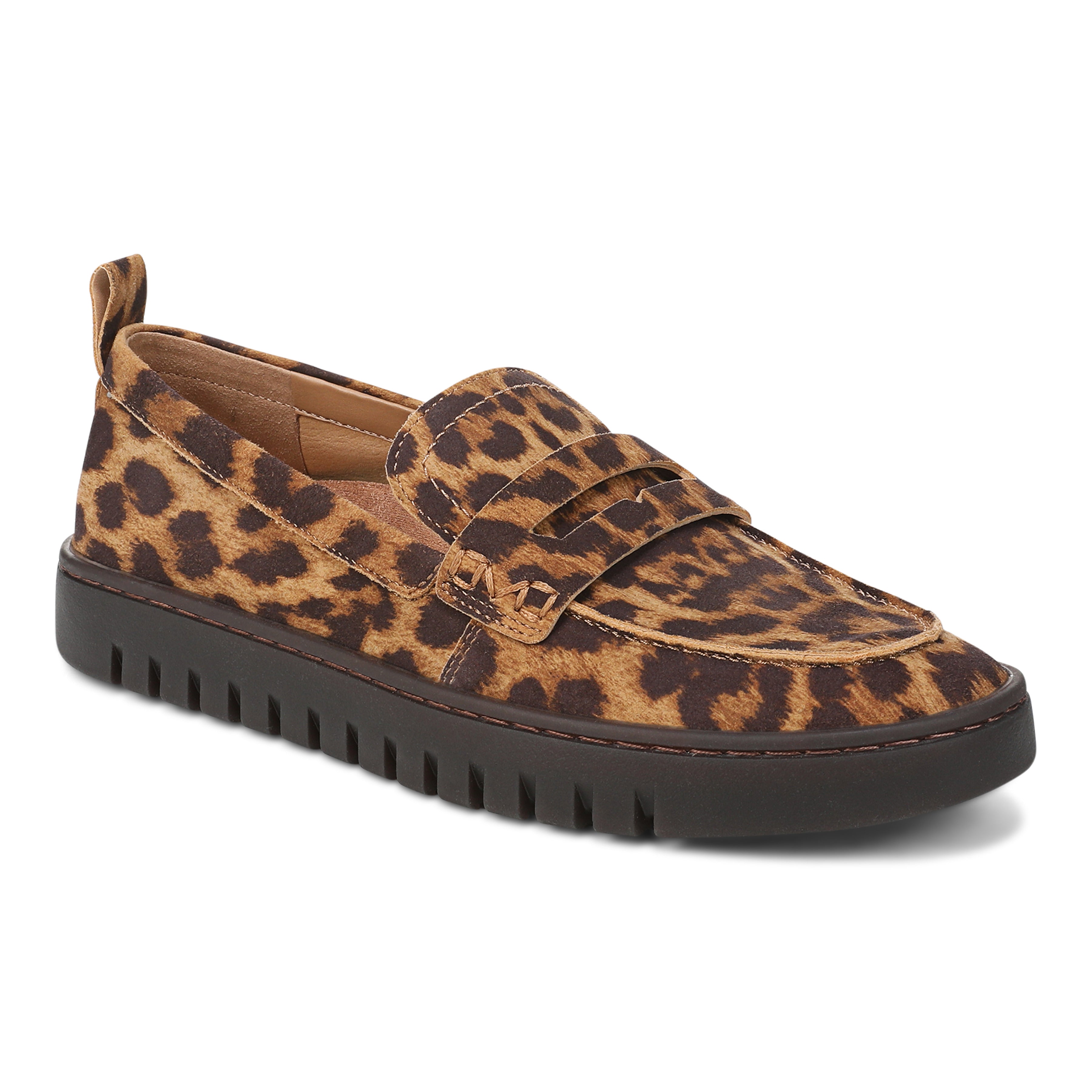
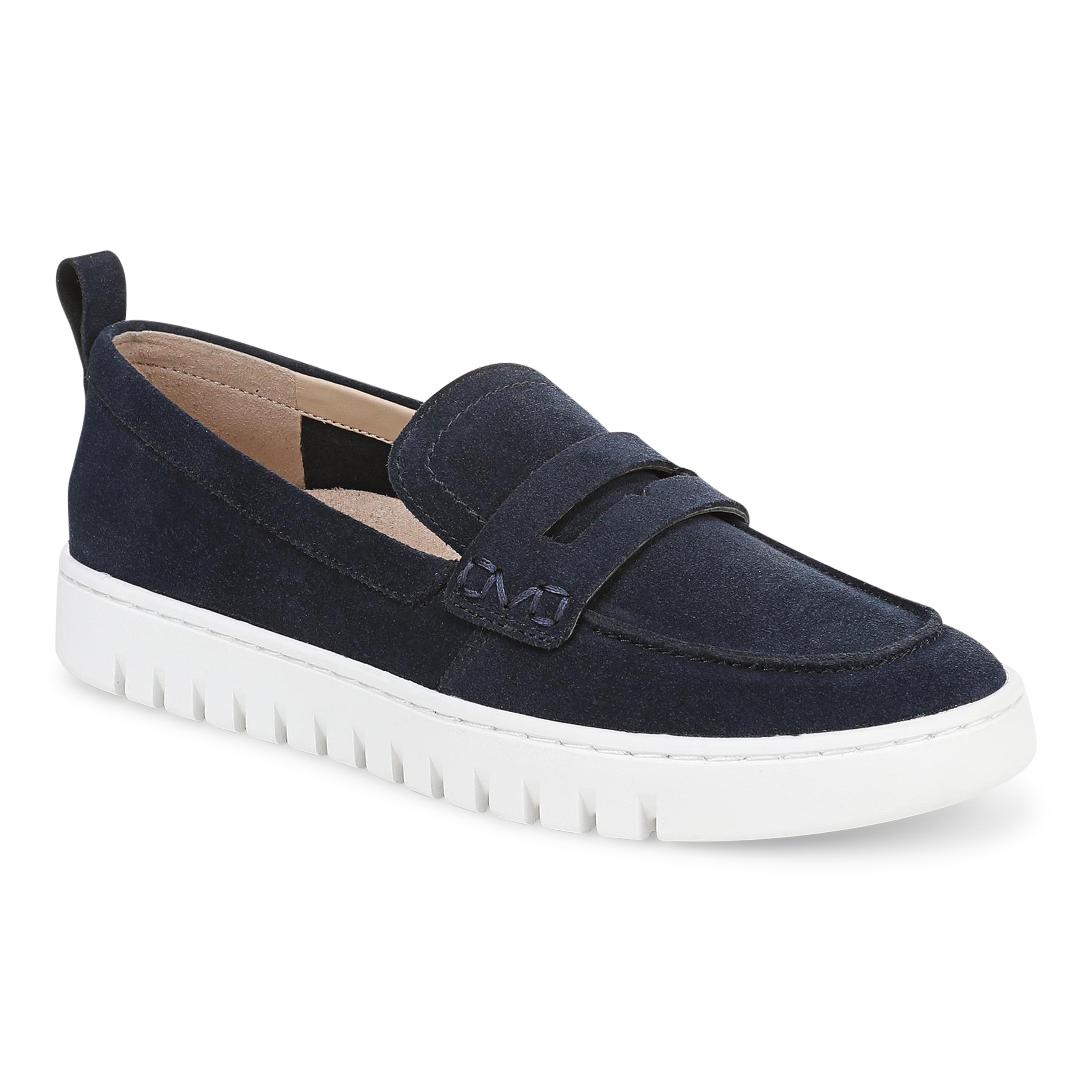
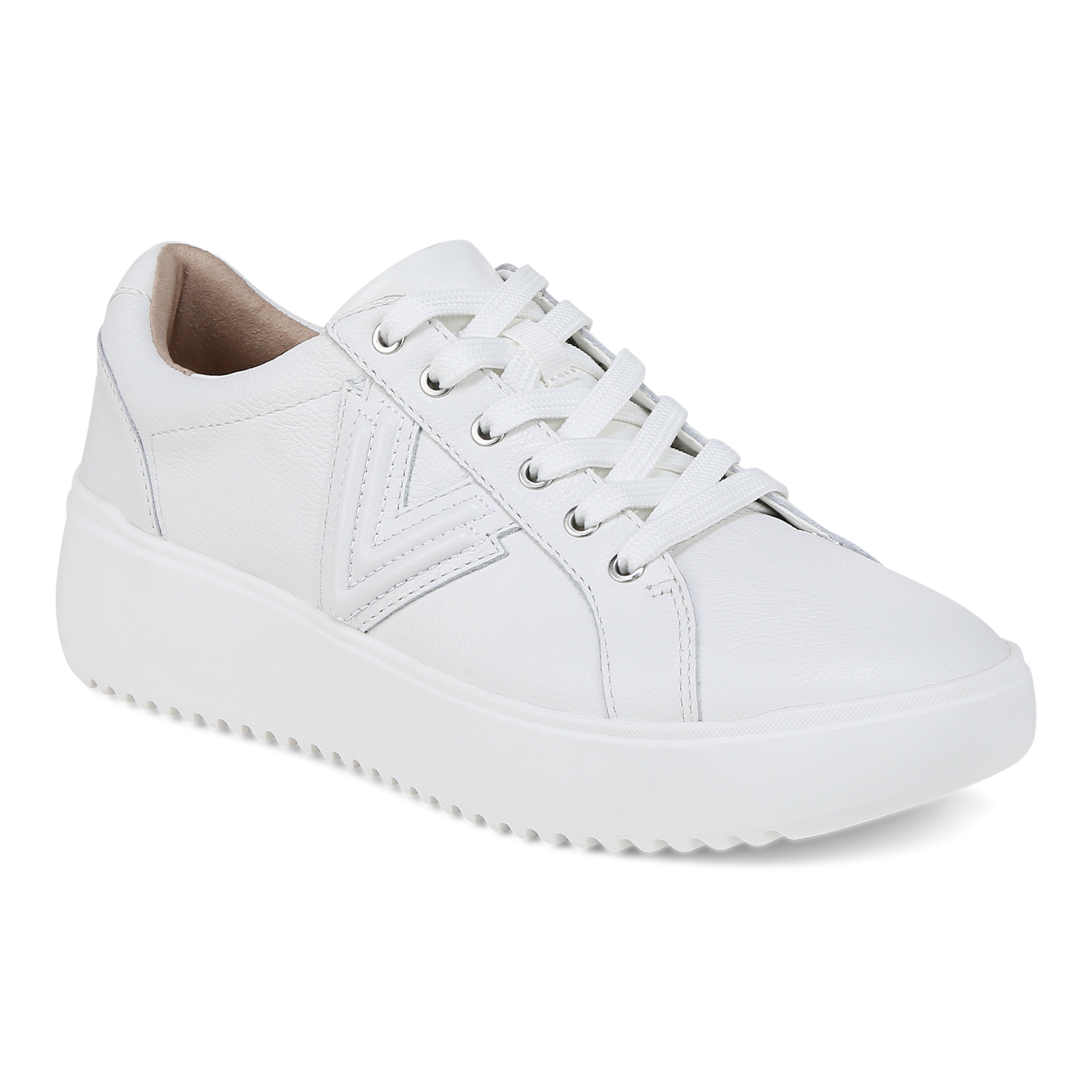
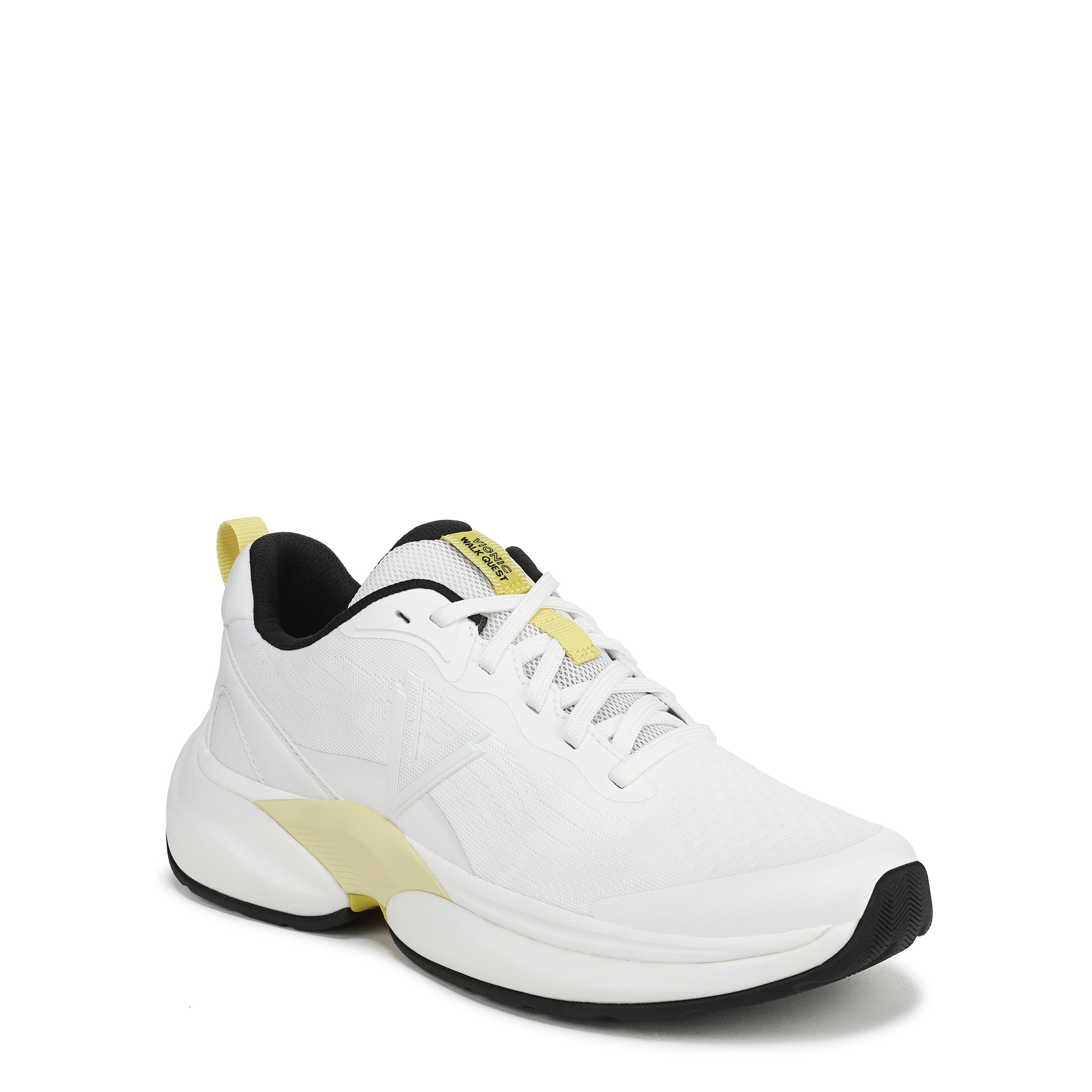
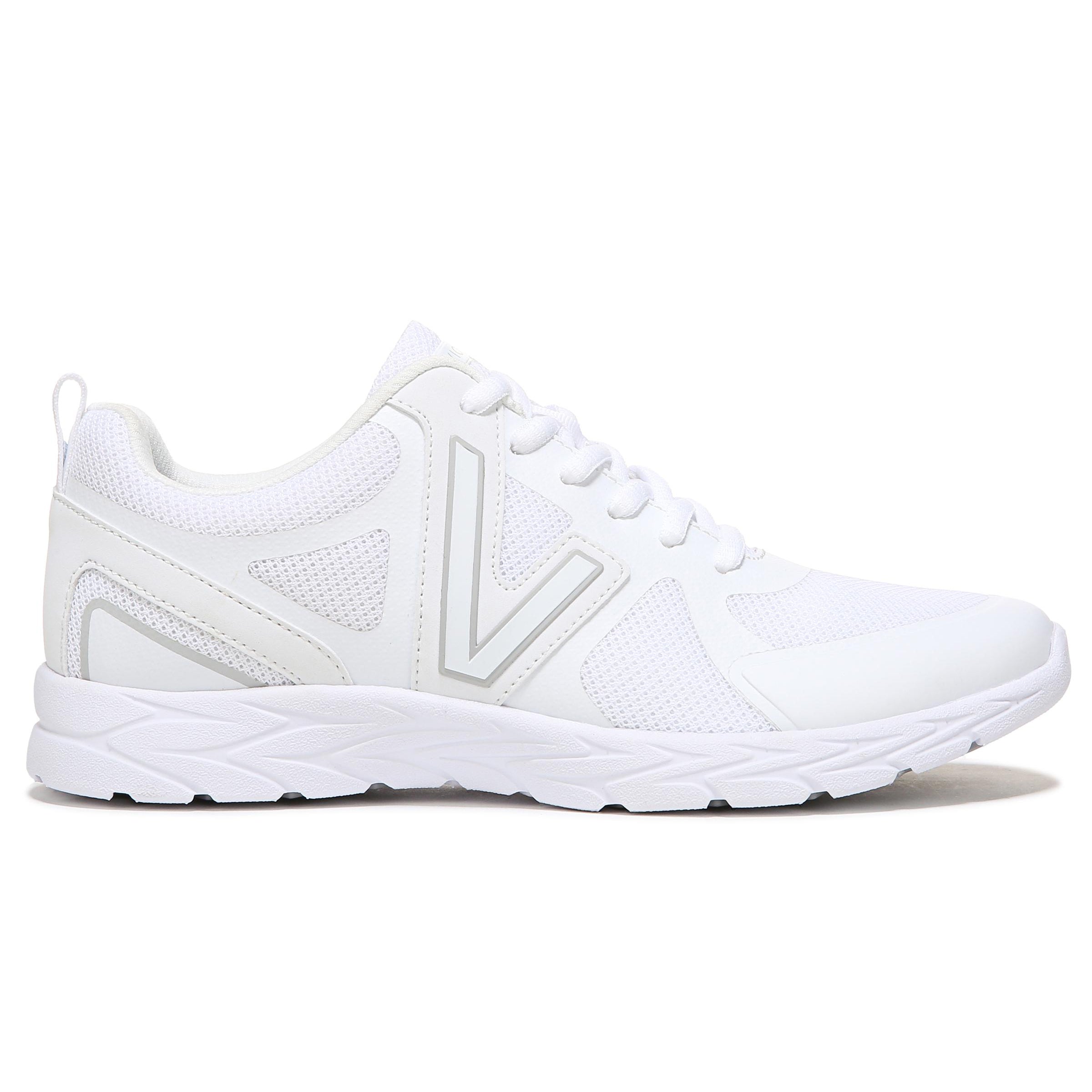
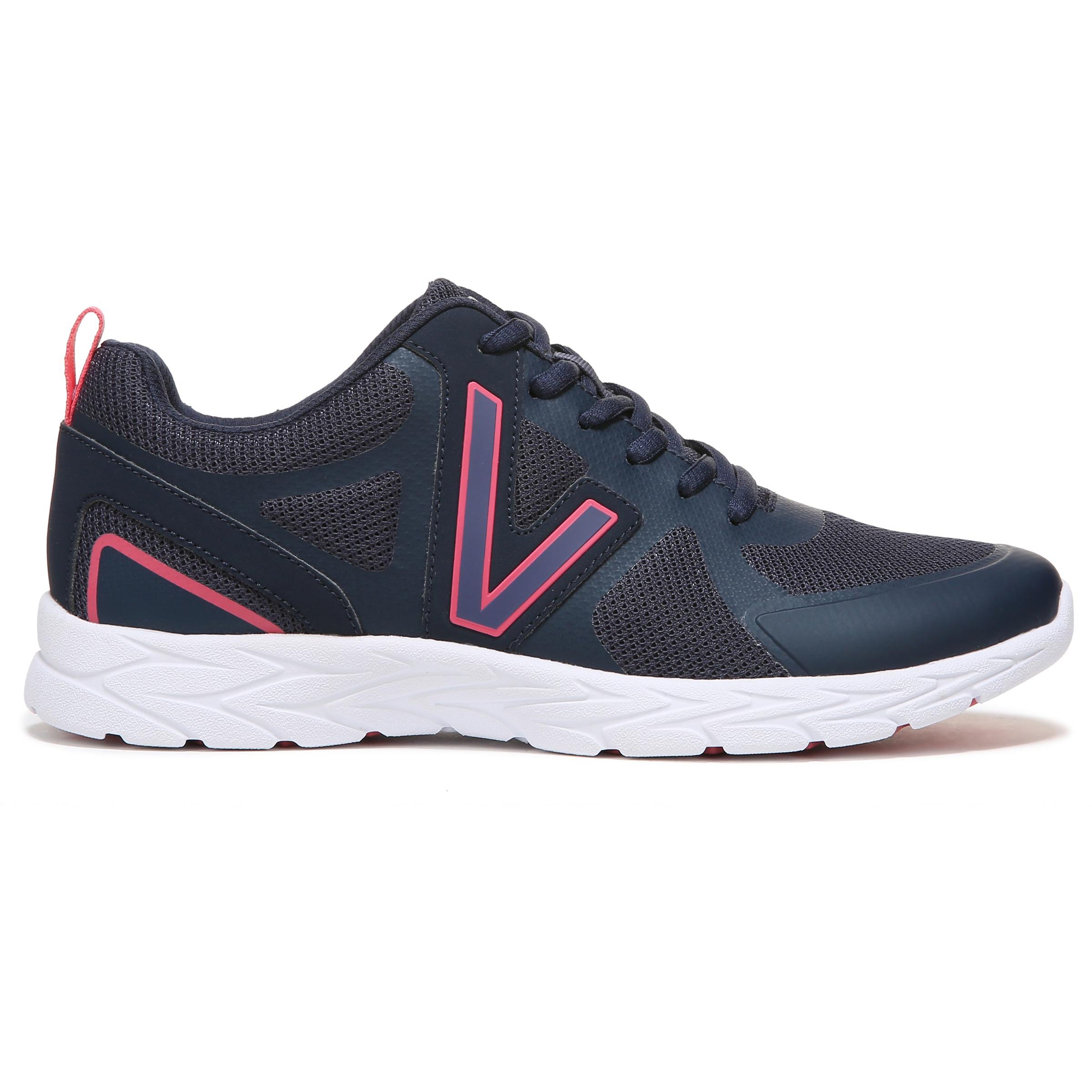
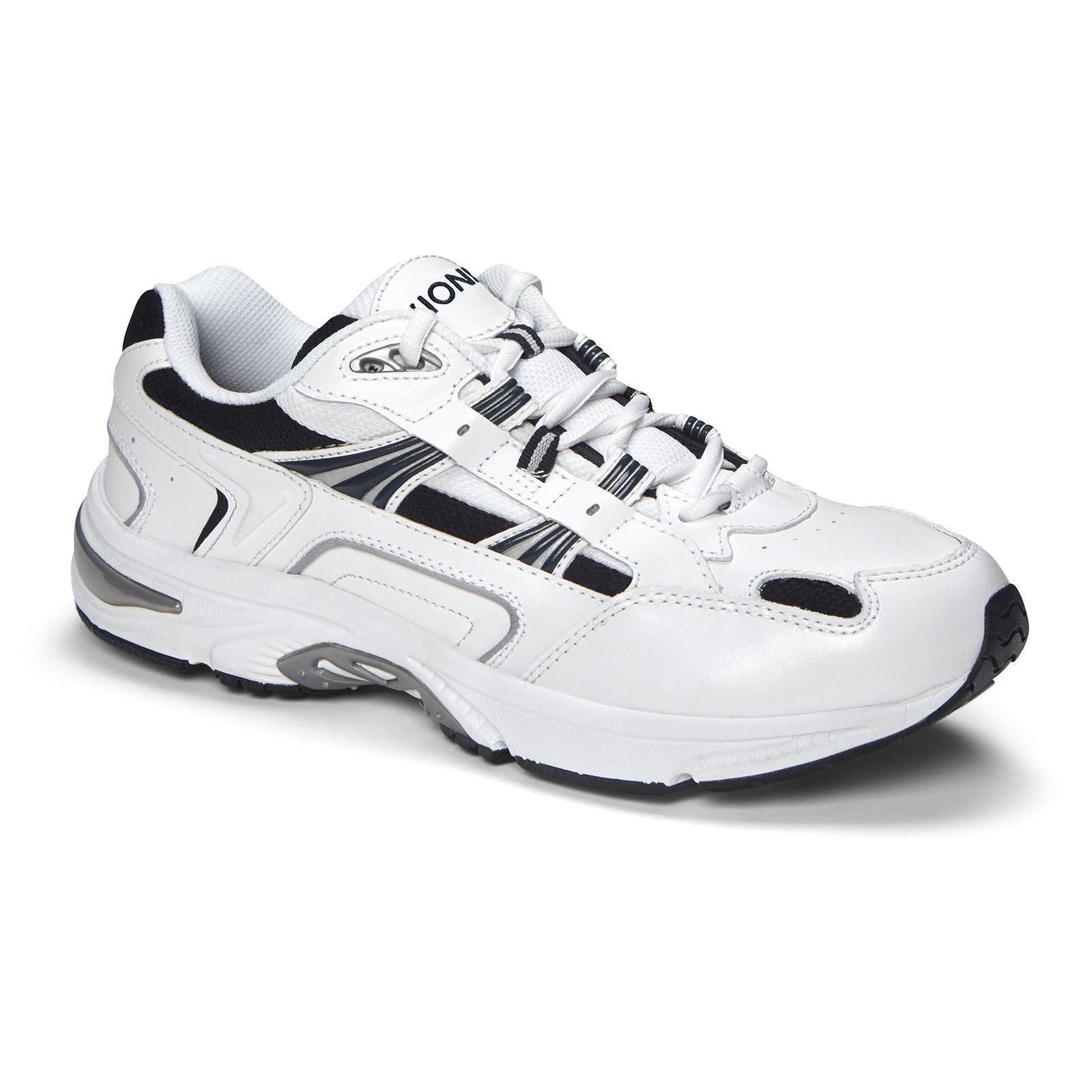
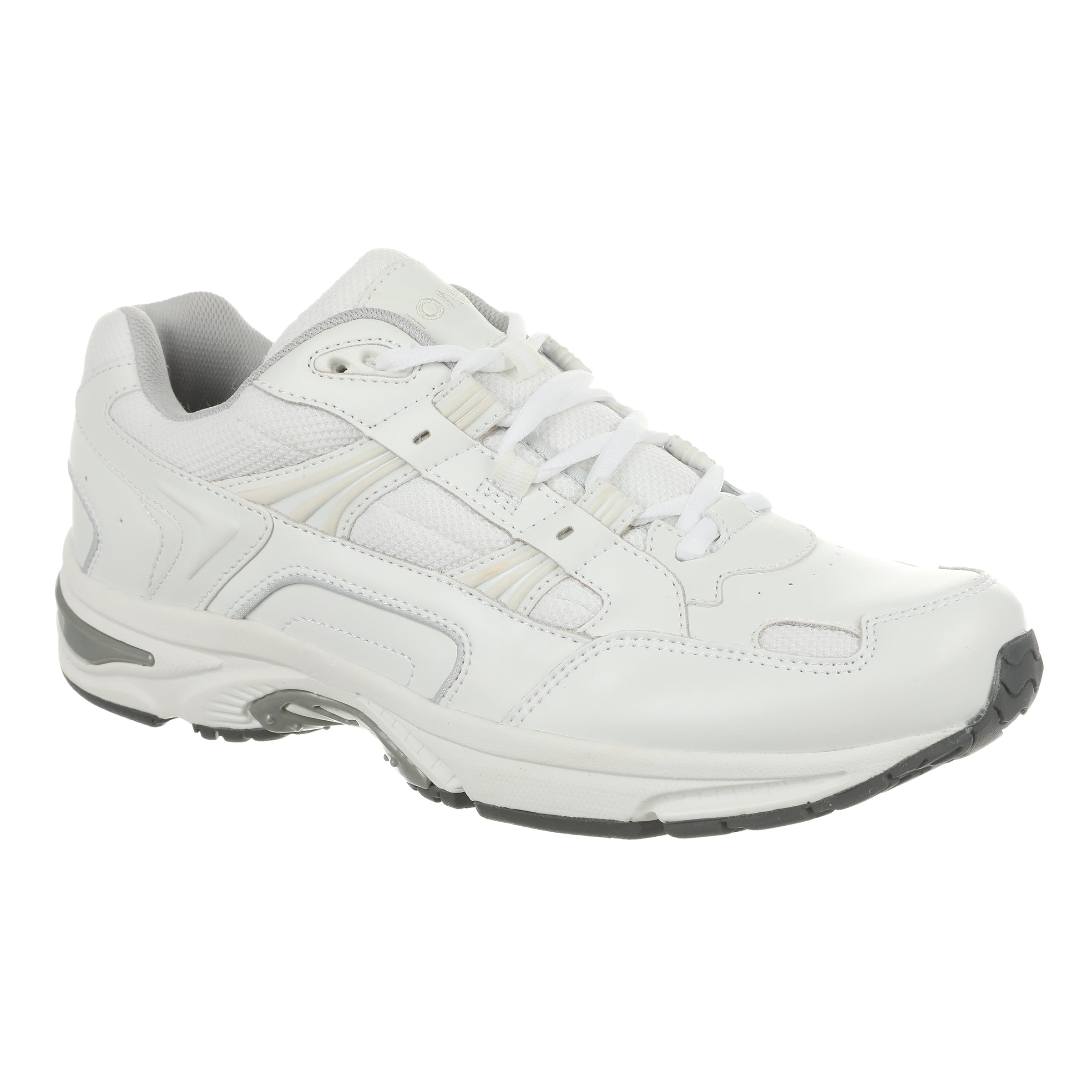
Vionic's women's shoes for heel pain offer solutions for every context, from daily wear to more formal occasions. Women's sneakers represent the most versatile choice, combining maximum heel cushioning with contemporary urban aesthetics, ideal for daily use, walking, and activities requiring protective footwear.
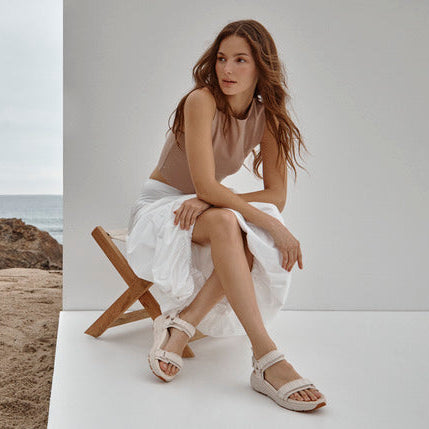
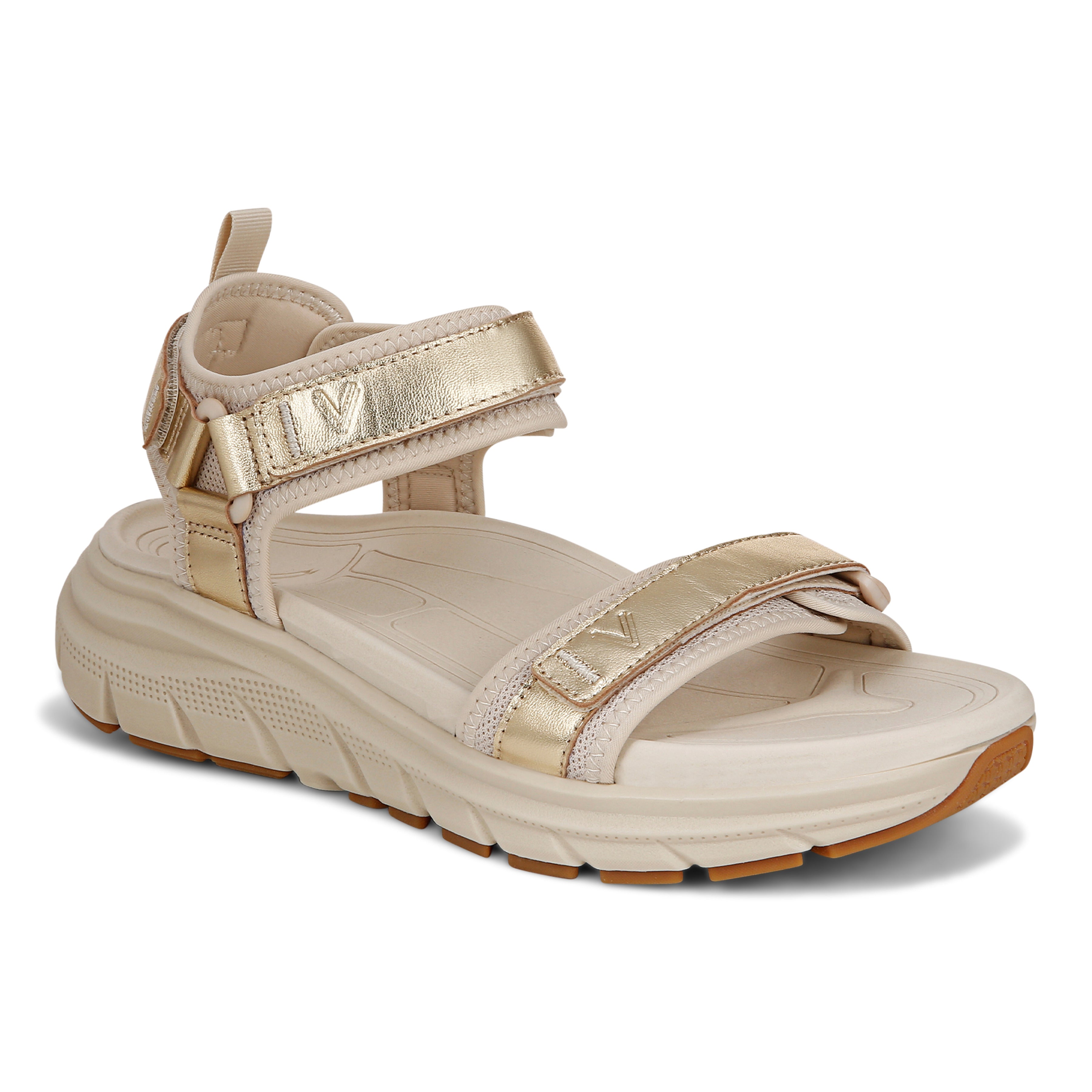
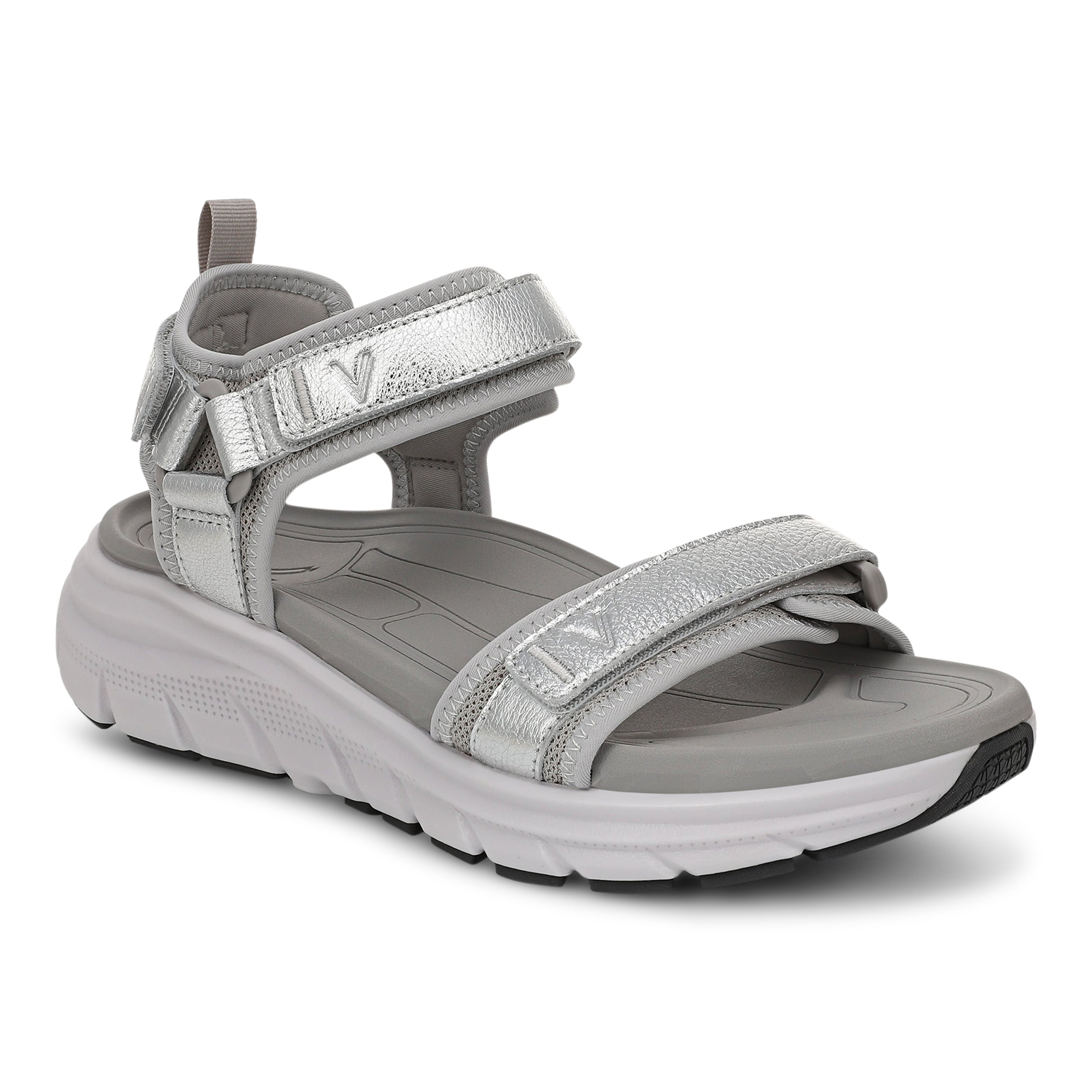
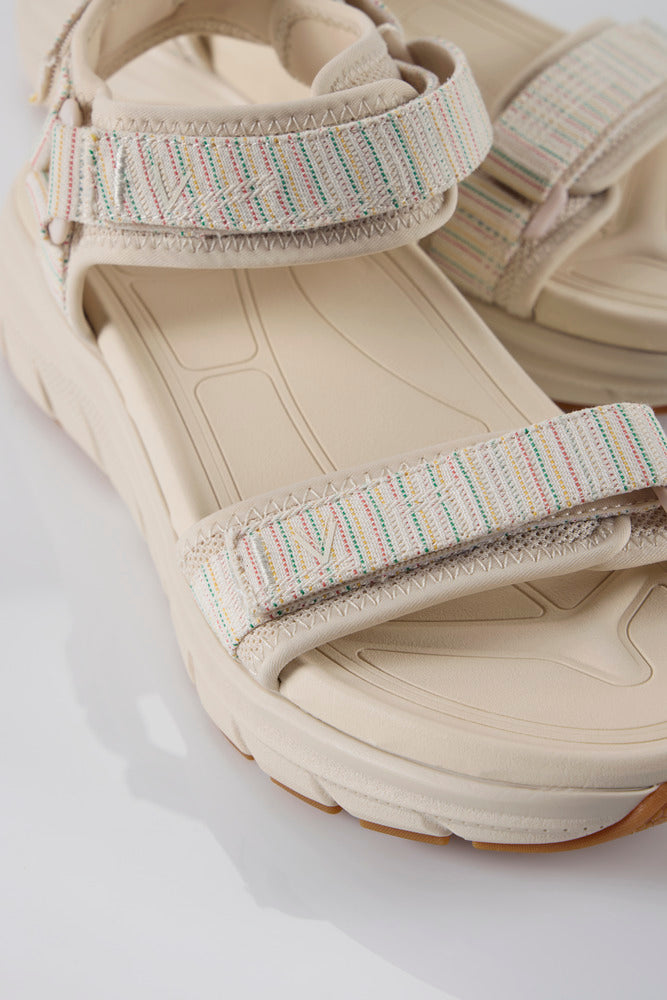
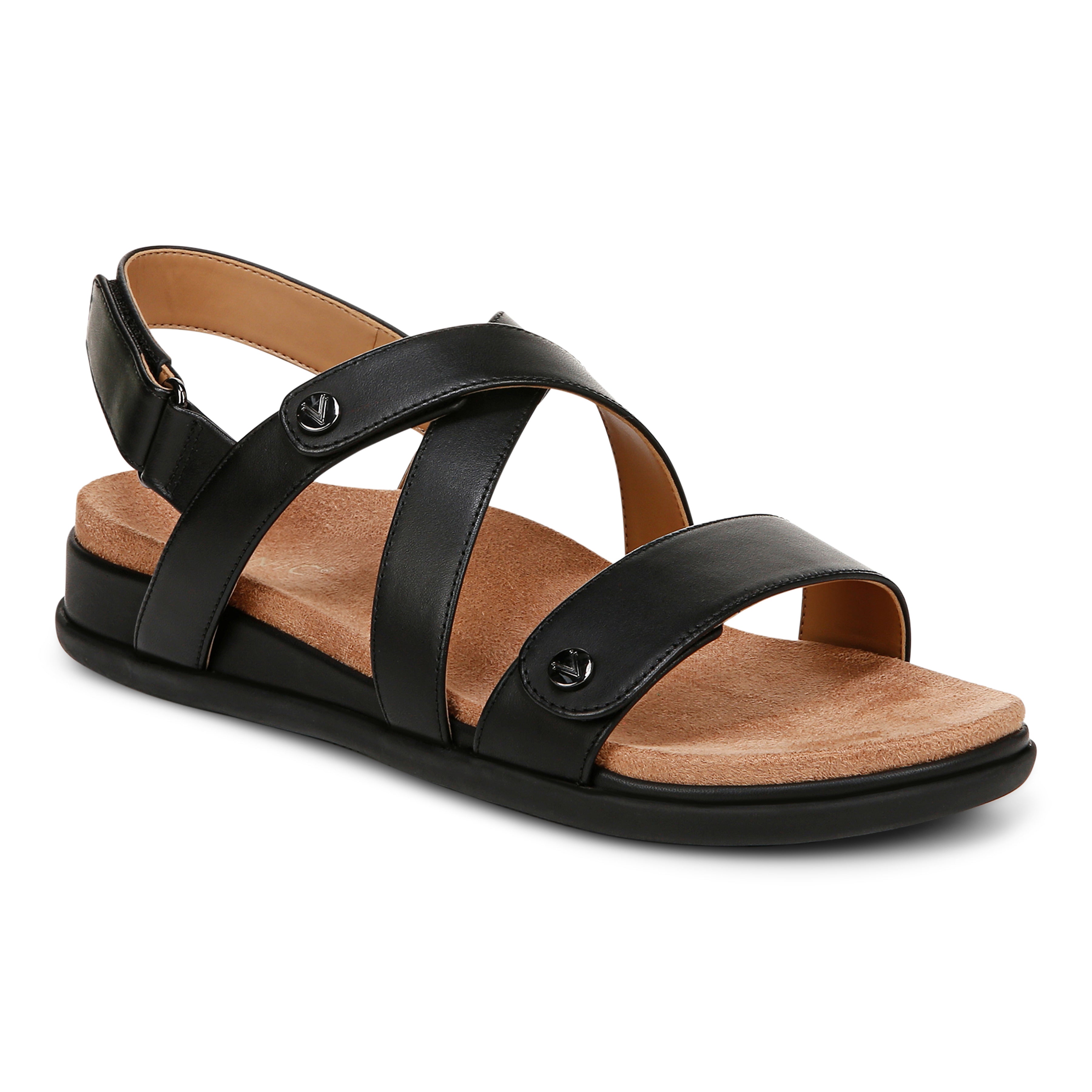
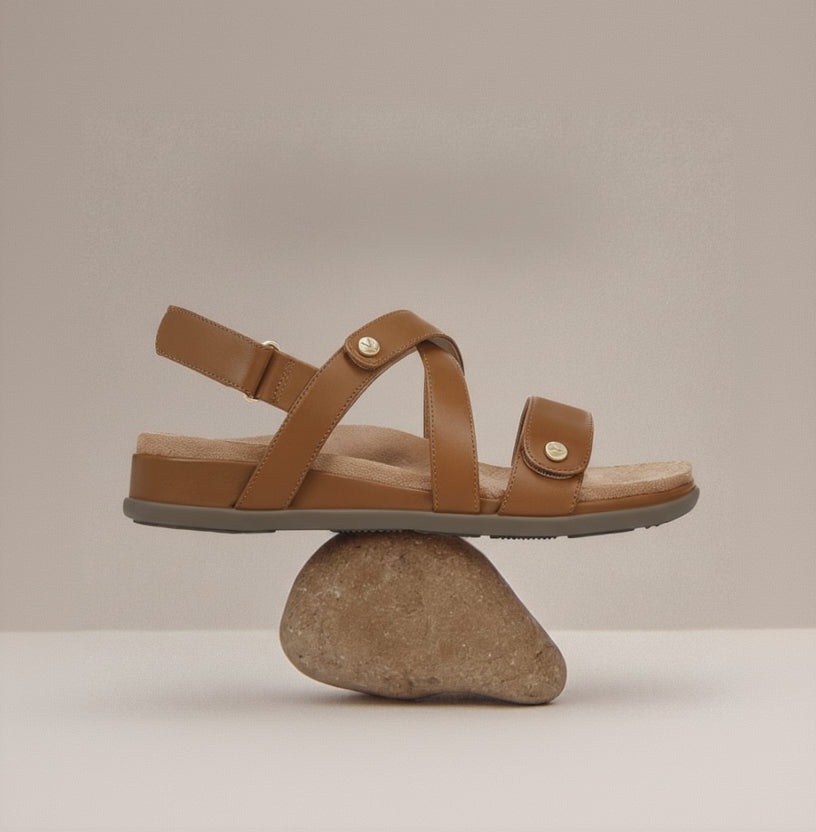
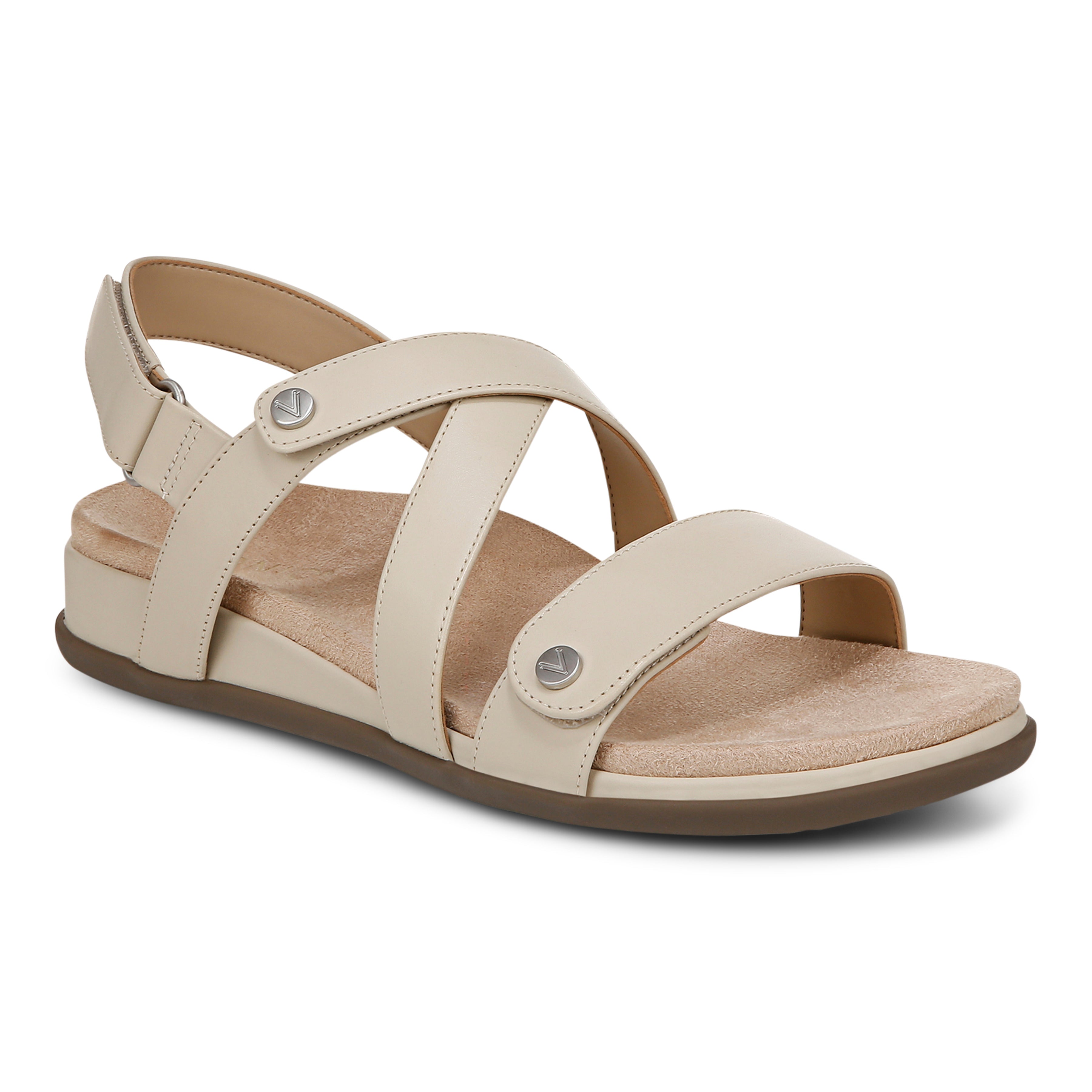
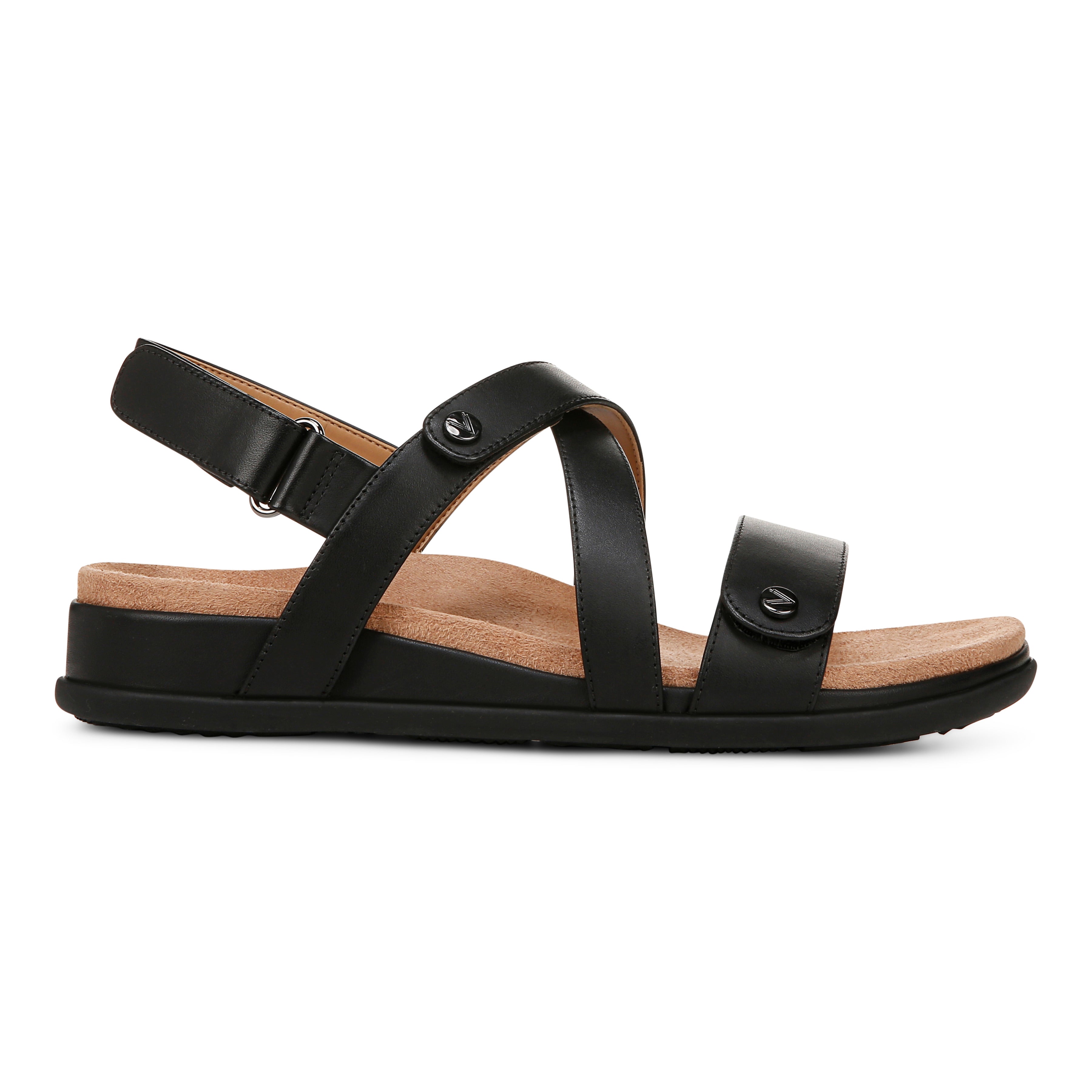
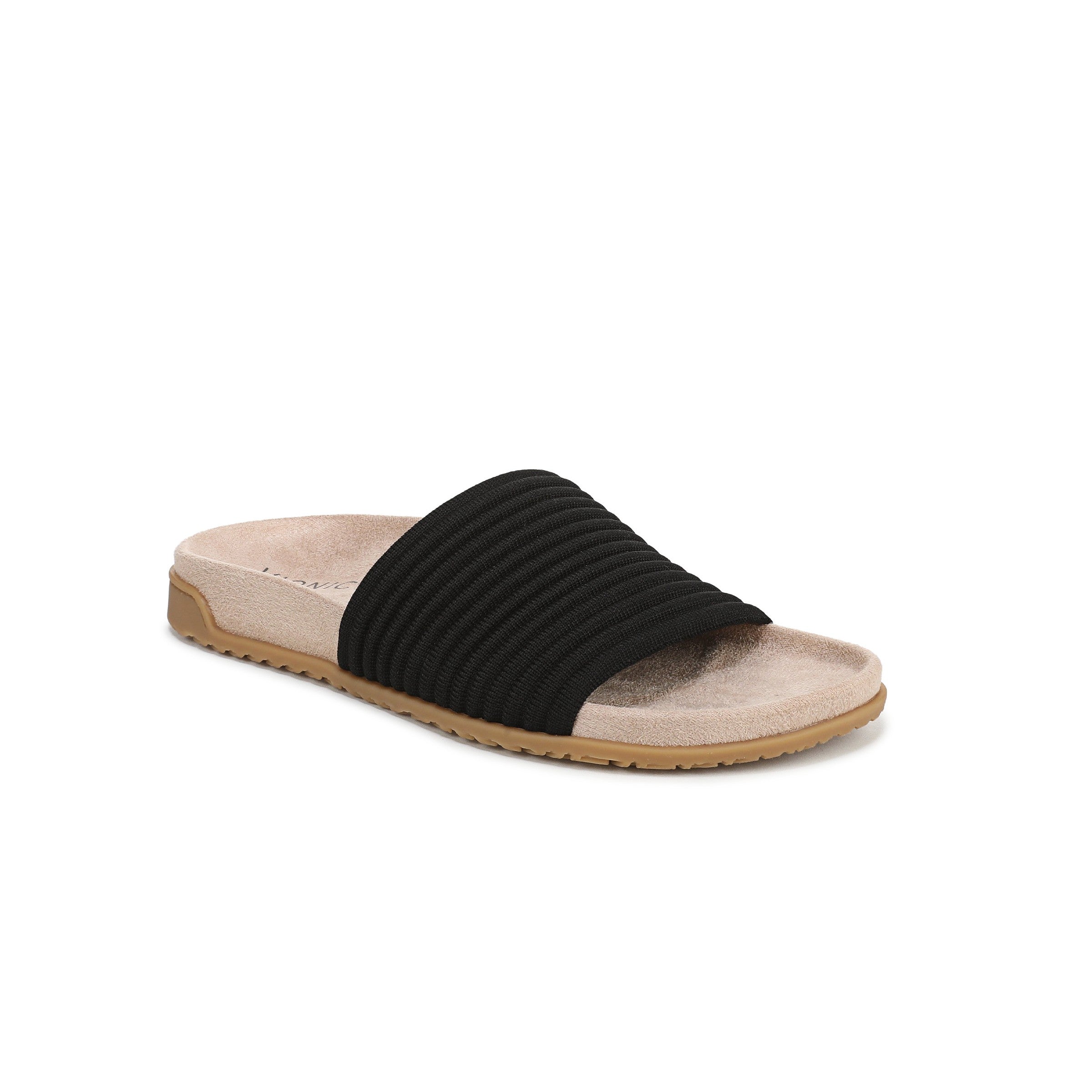
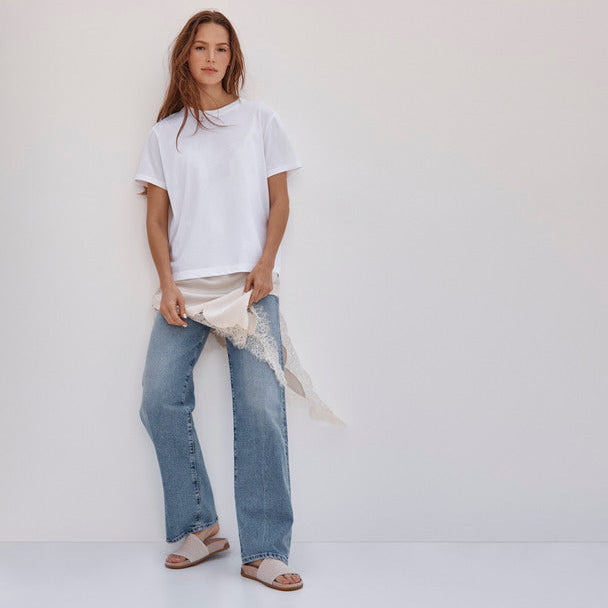
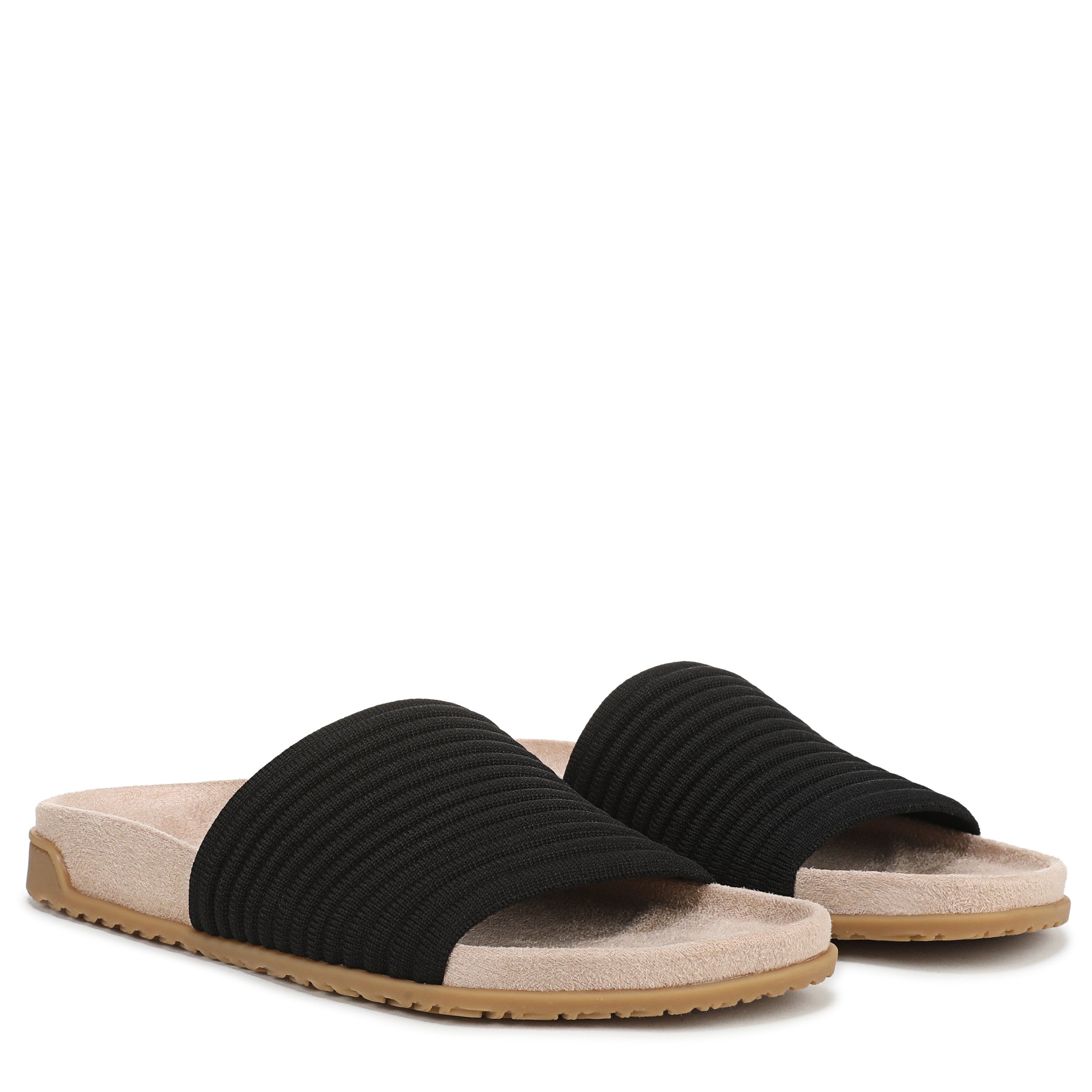
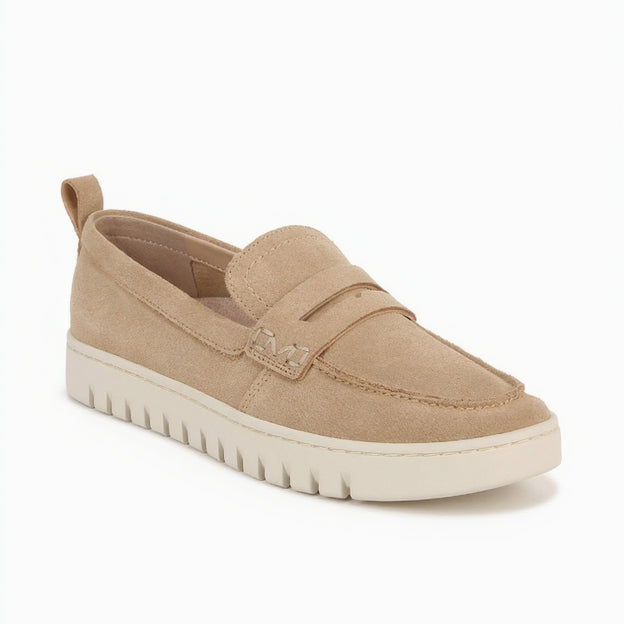
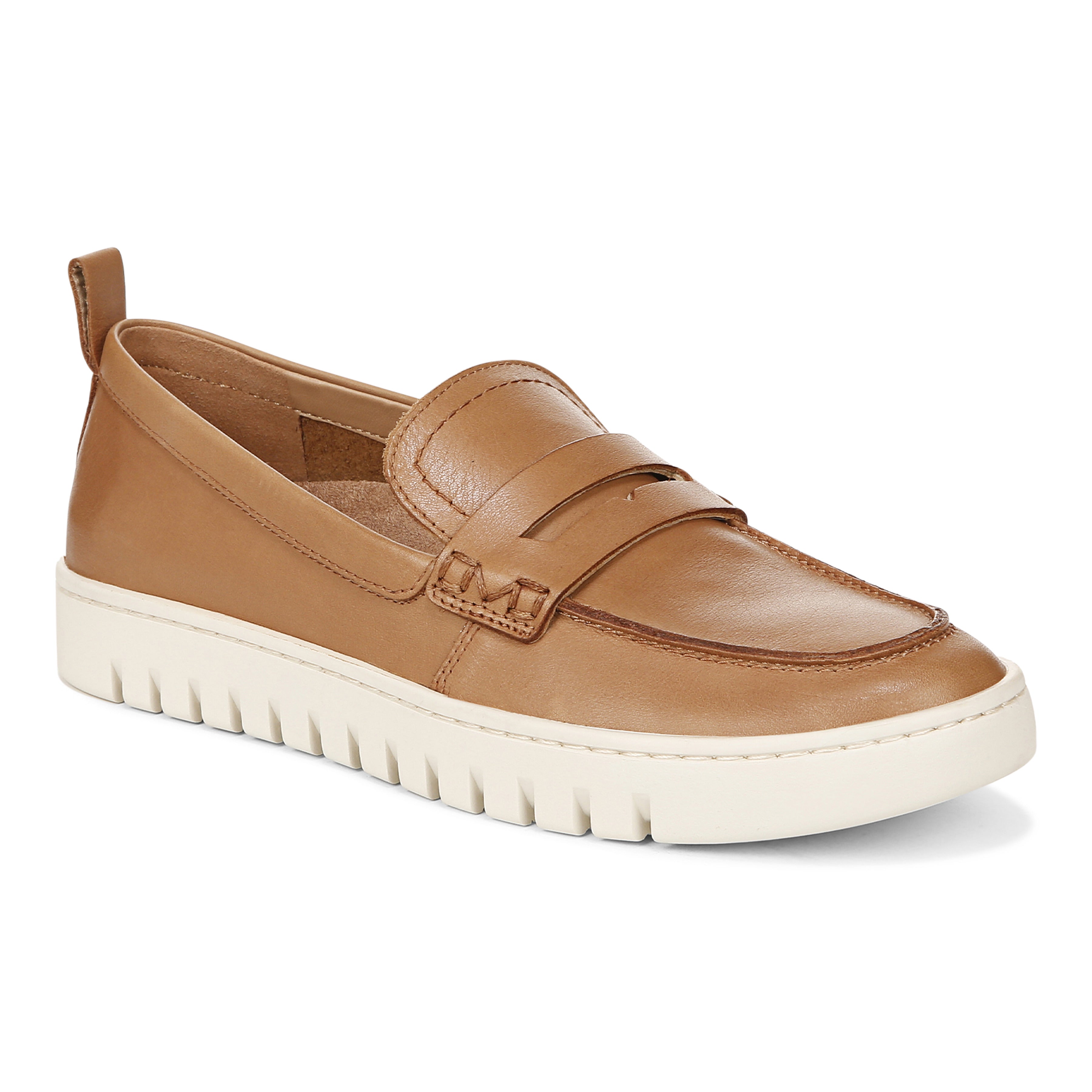
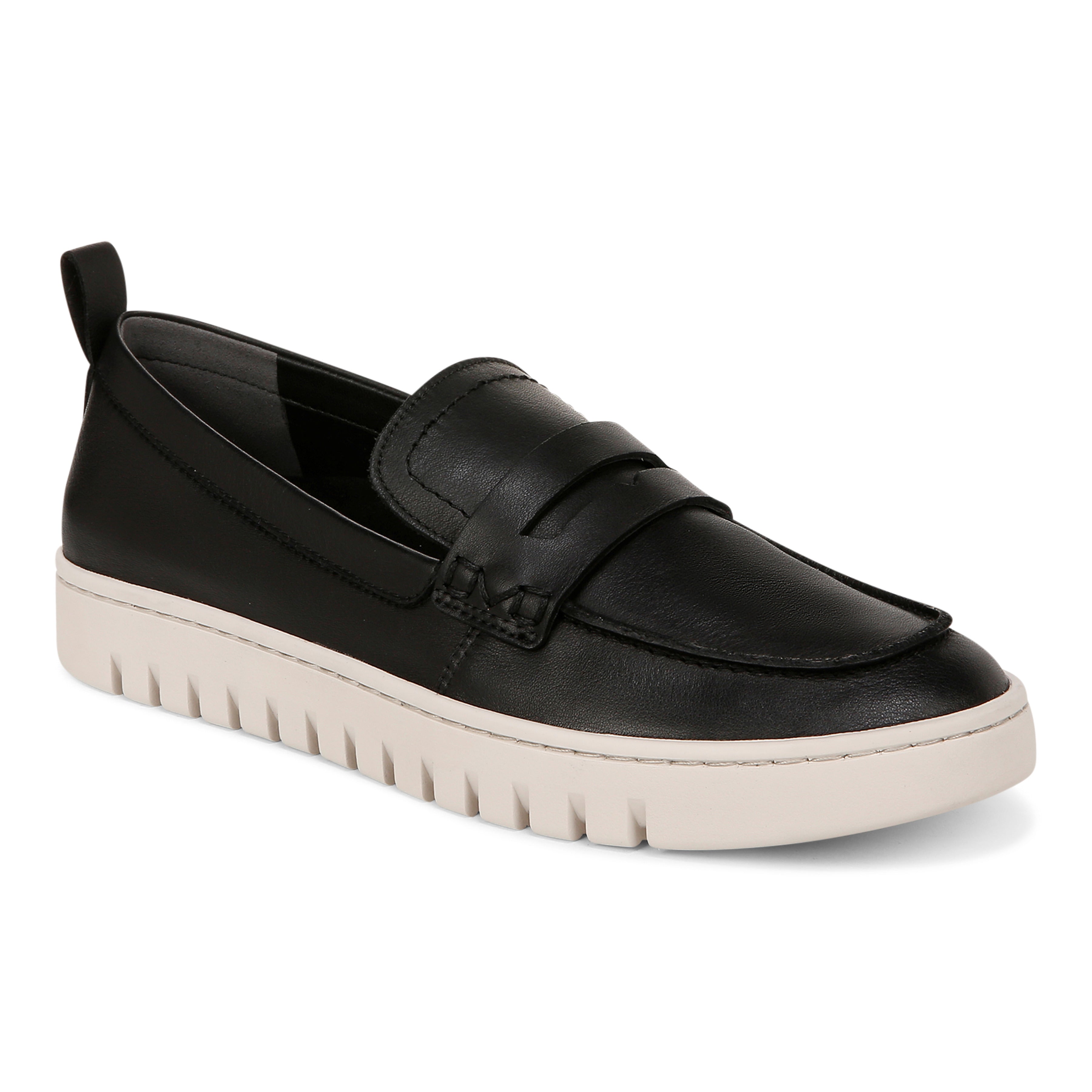
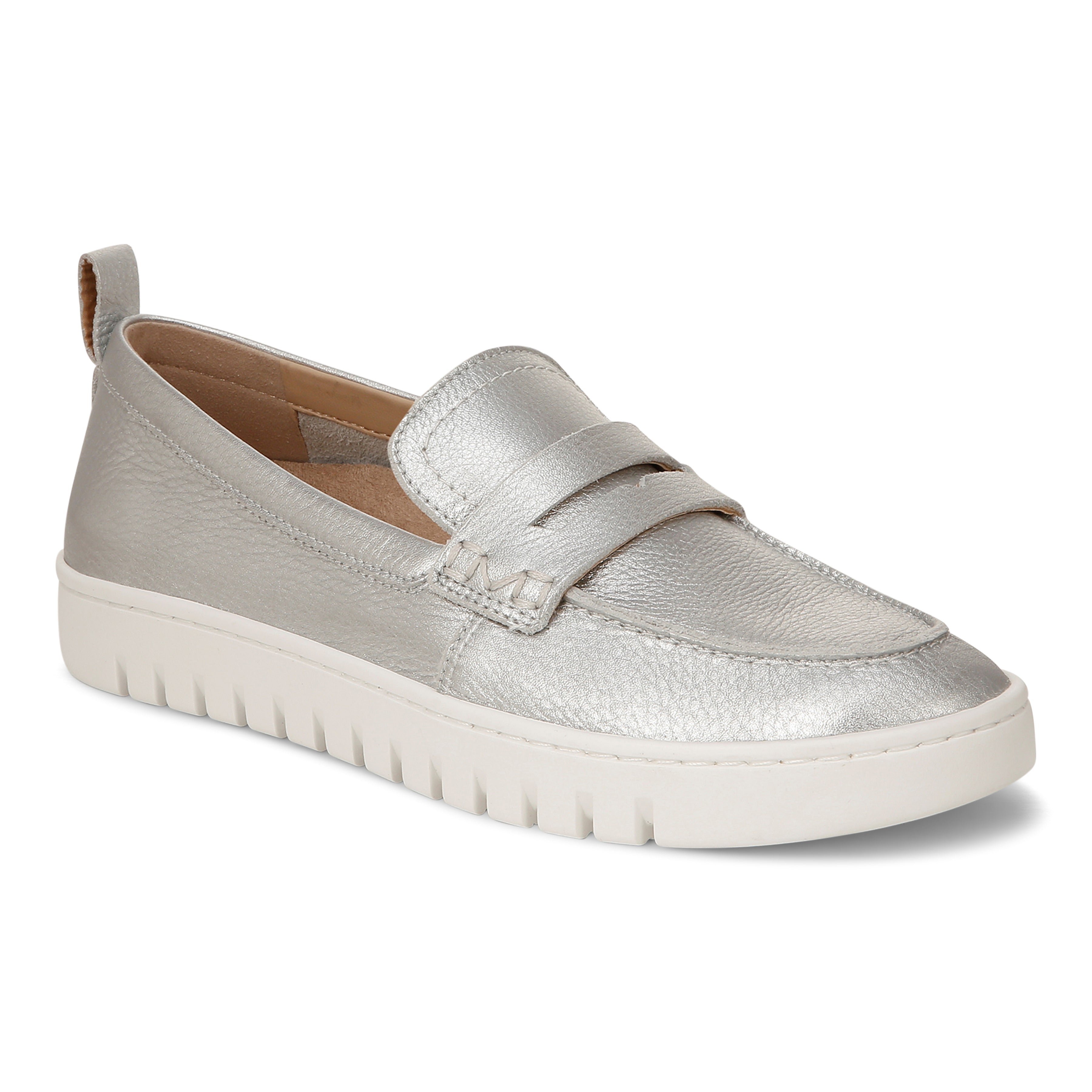
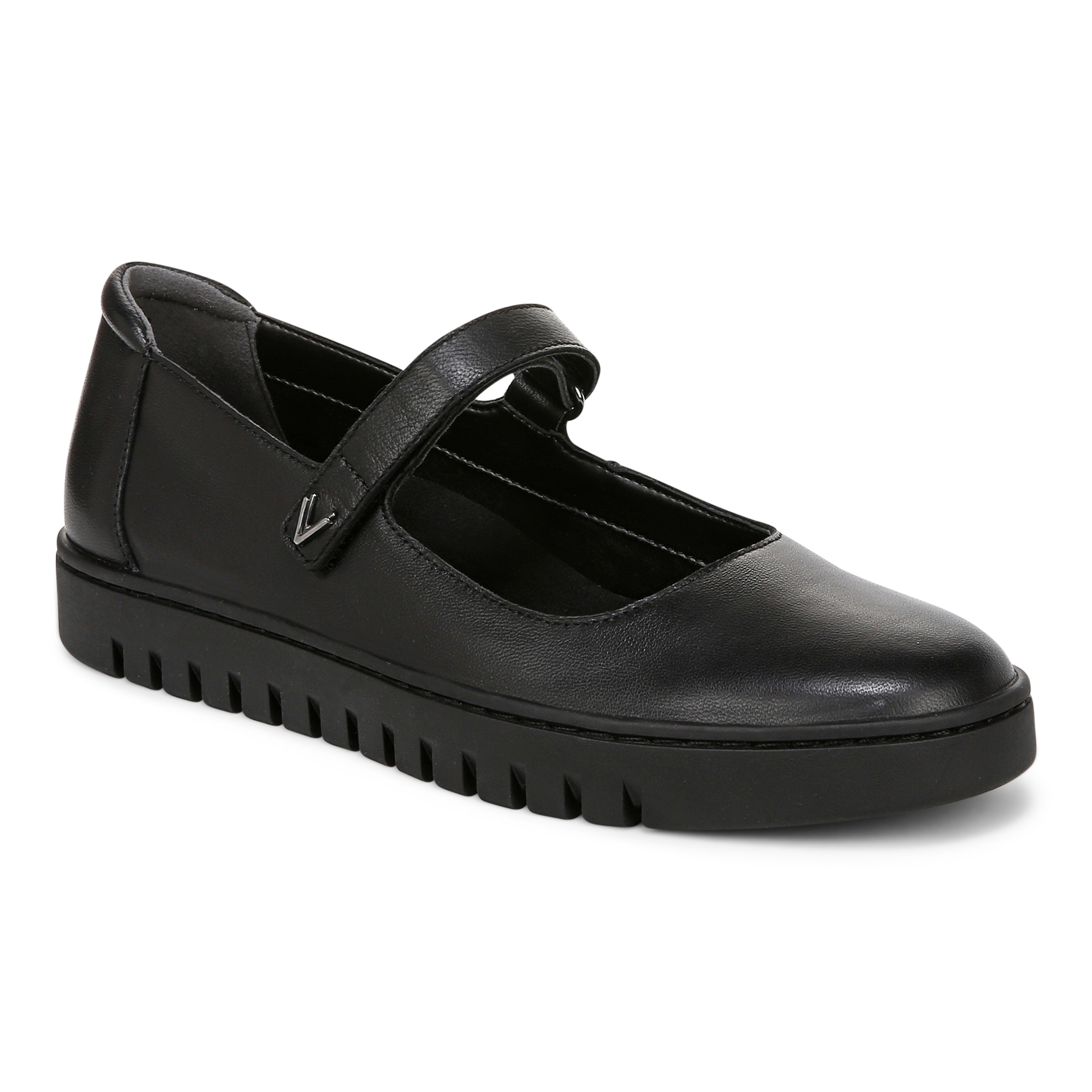
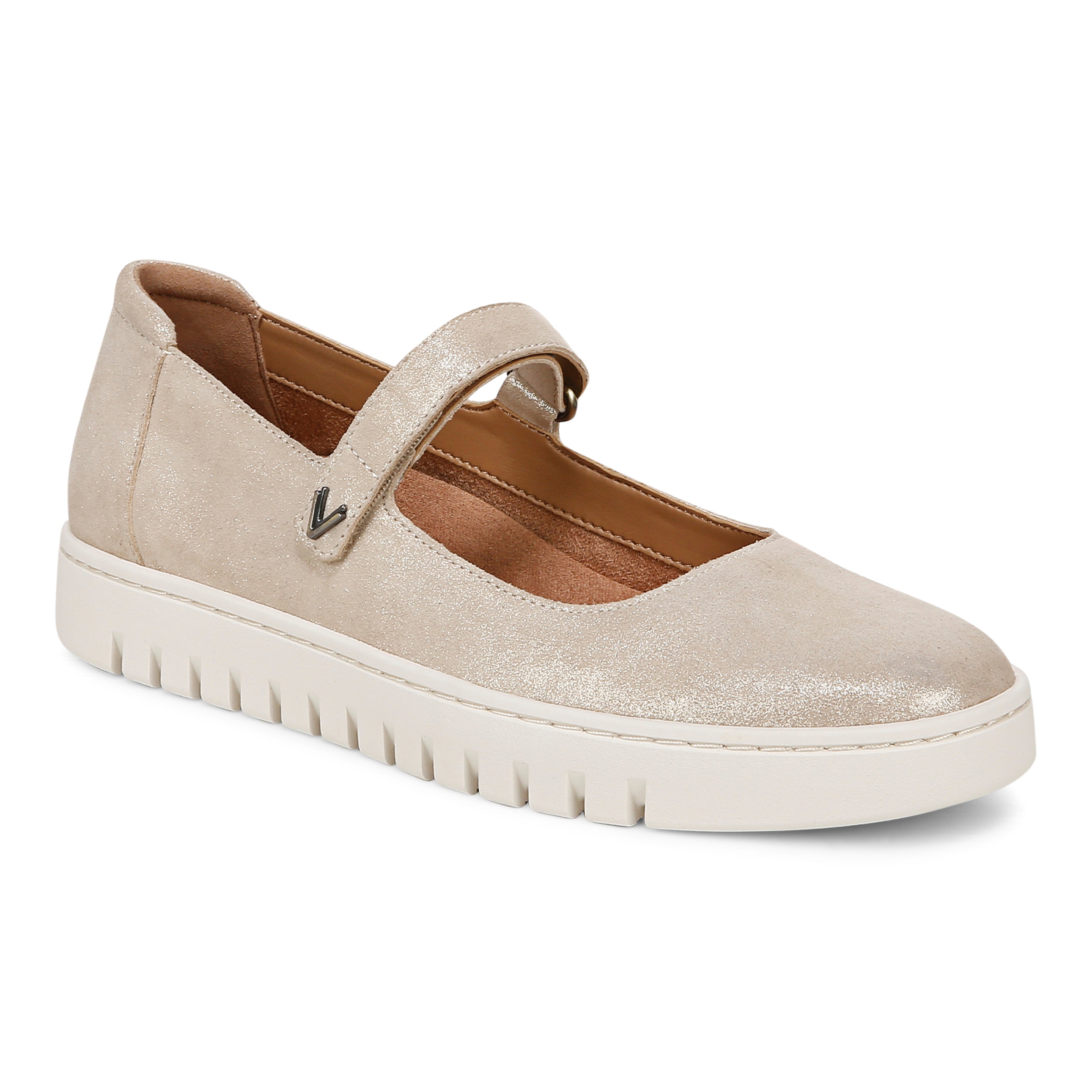
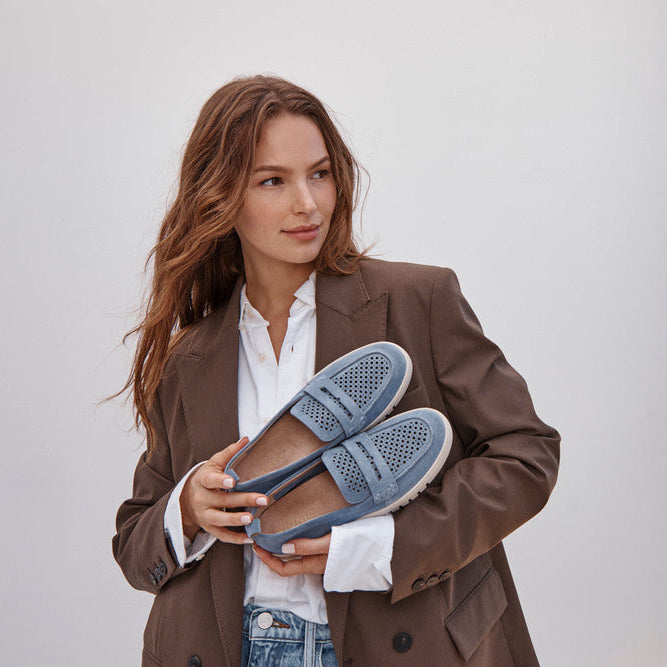
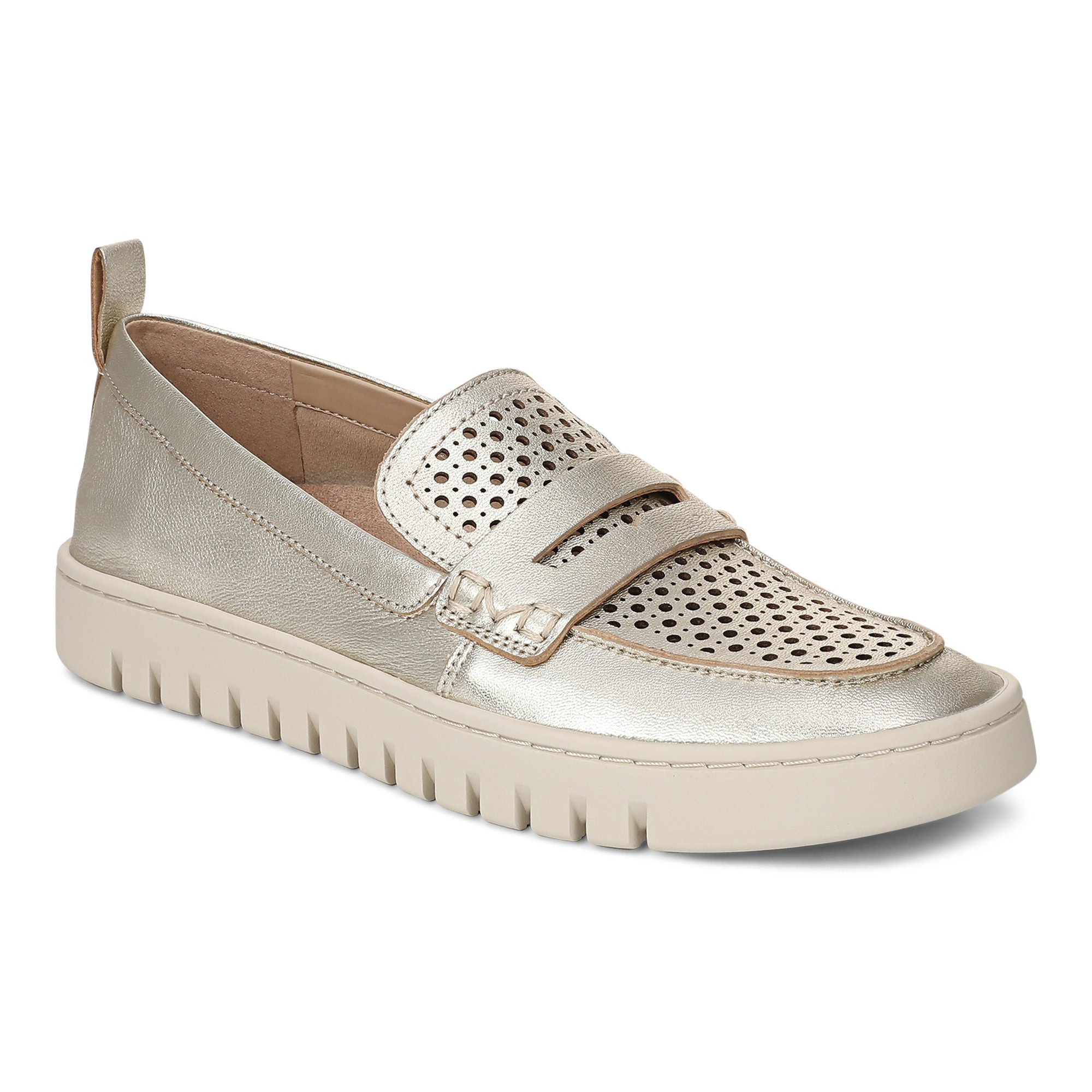
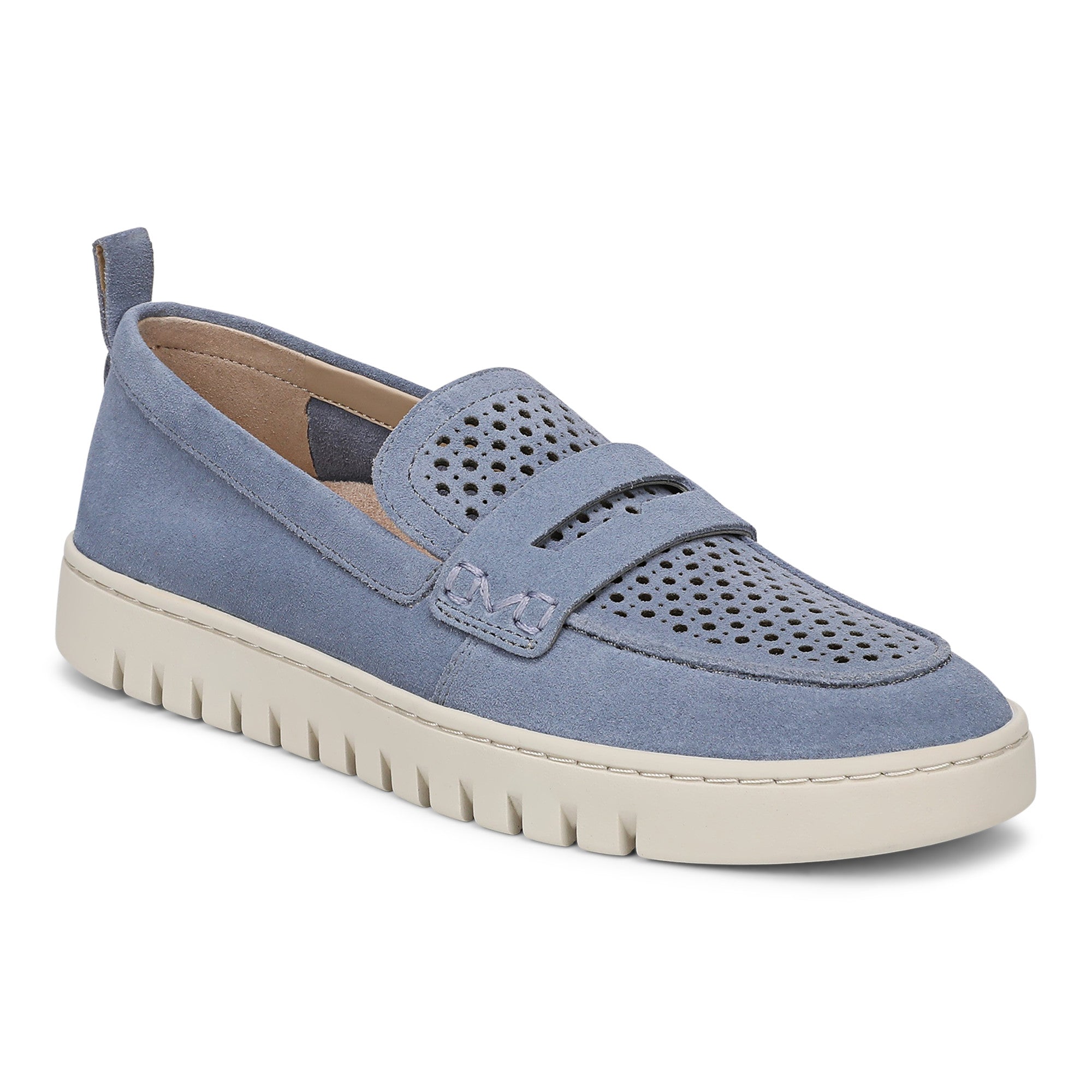
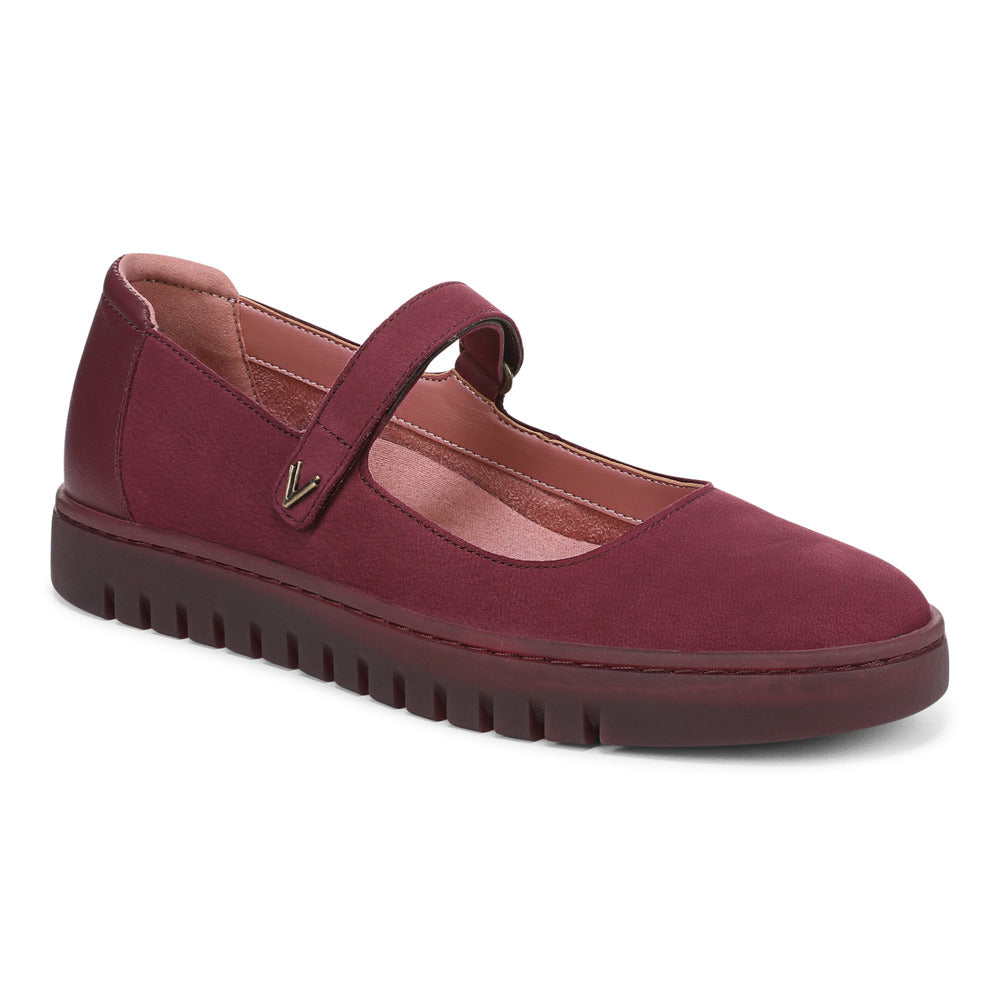
Ballet flats offer therapeutic support in flat shoes, perfect for the office or situations requiring elegance without compromising heel comfort. Women's sandals are designed for warmer seasons, offering cushioning even in open-toed footwear.
Ankle boots are the solution for cooler seasons, maintaining therapeutic cushioning in footwear that protects the foot. For those with wide feet, wide-fit models offer extra space while maintaining the necessary support.
Men's shoes for heel pain: therapeutic performance
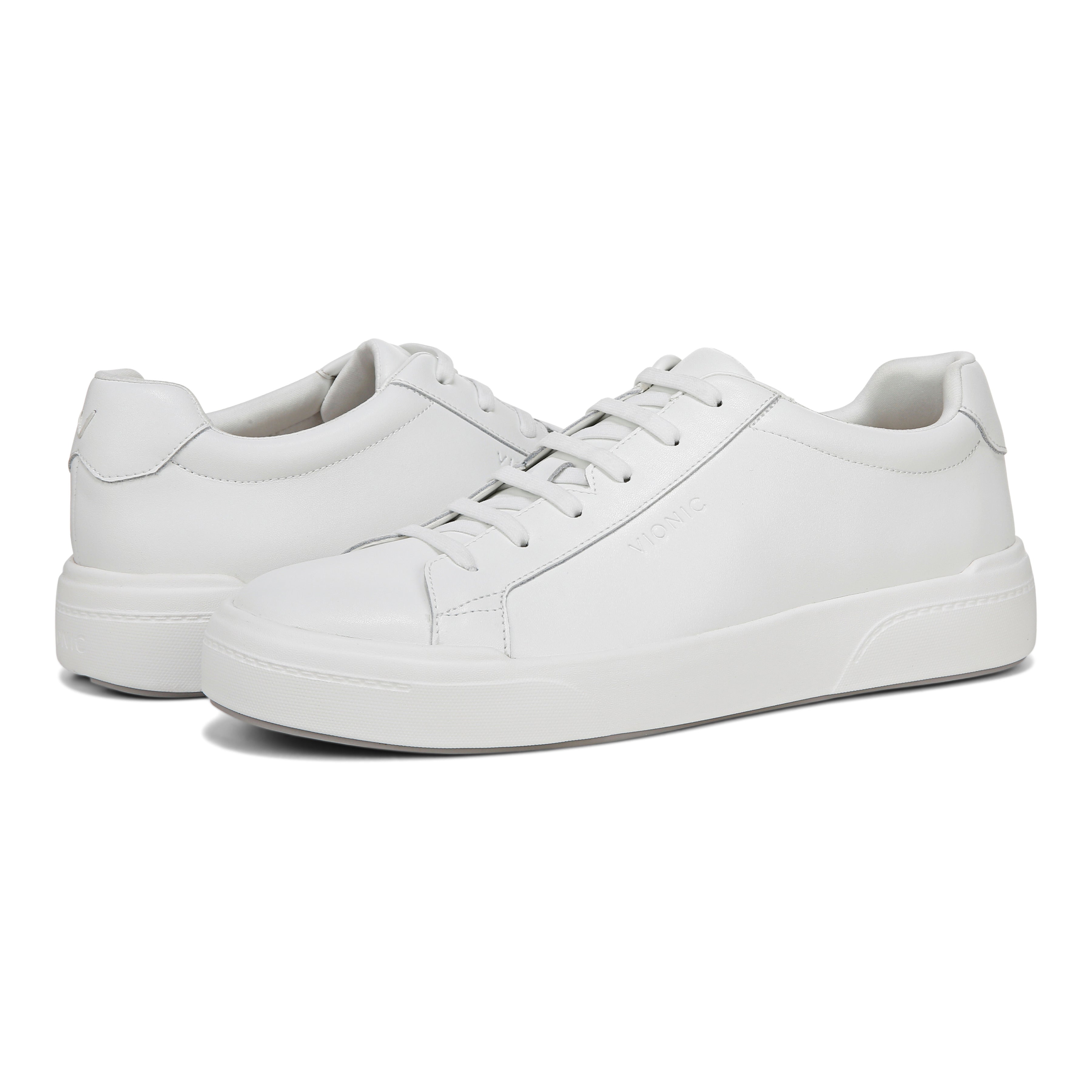
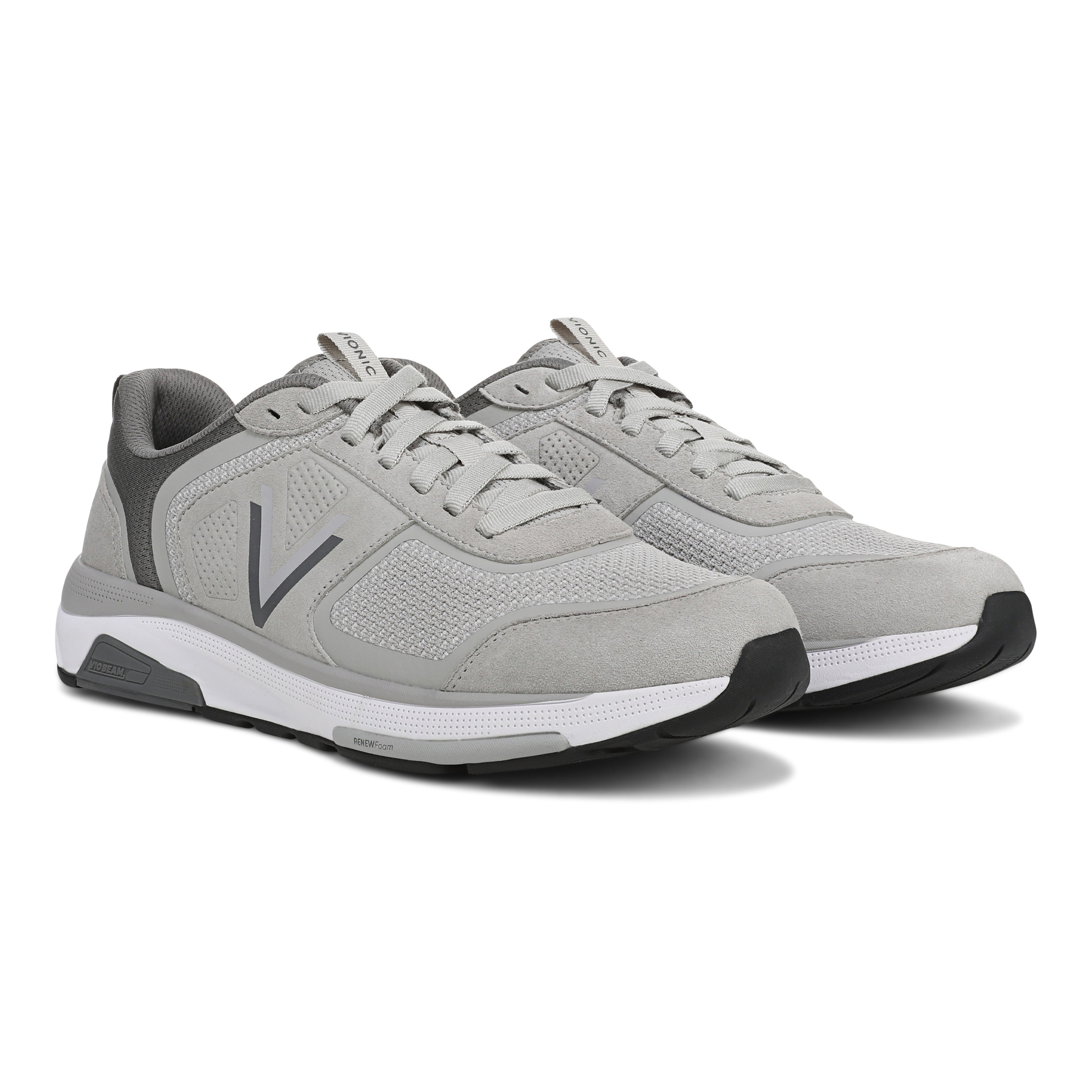
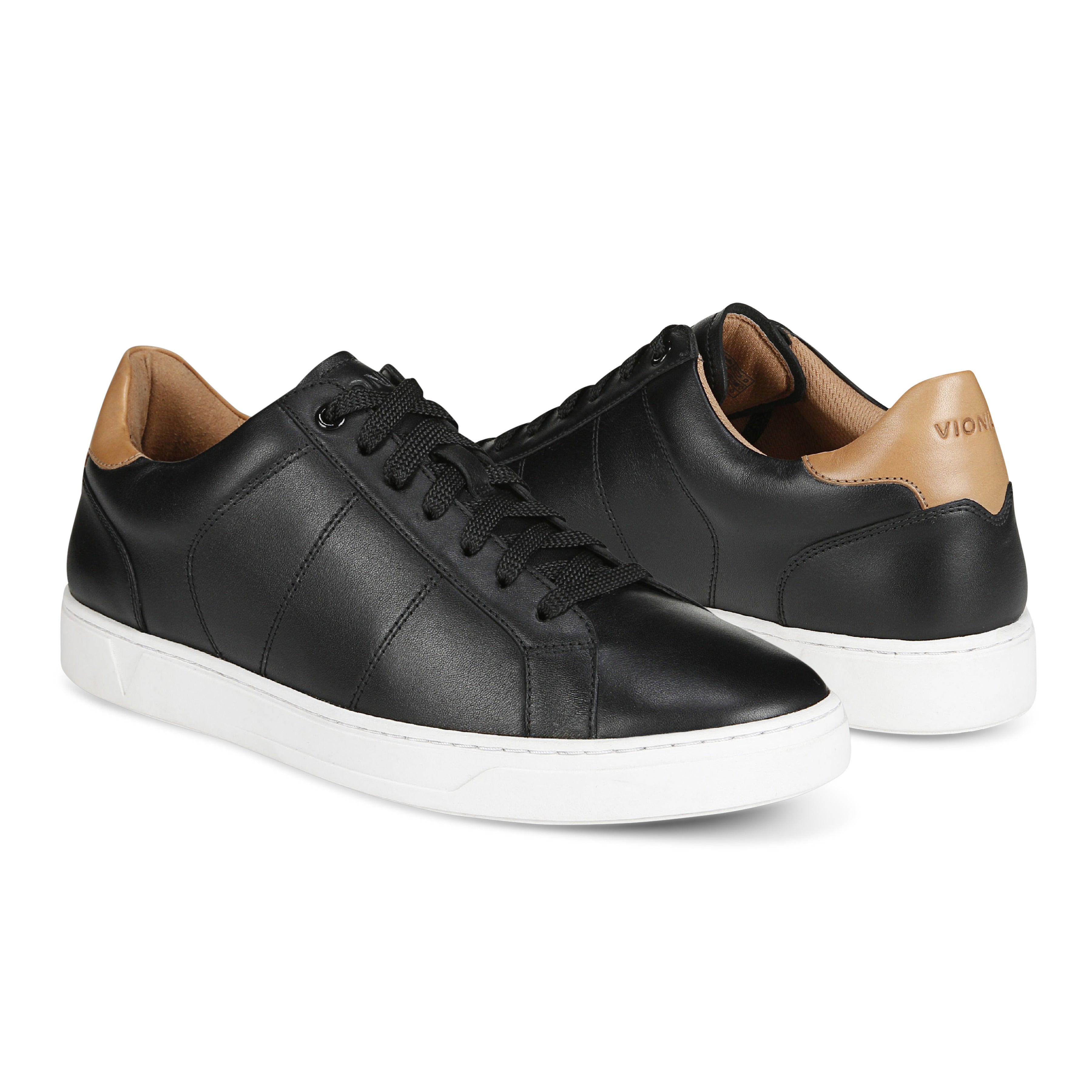
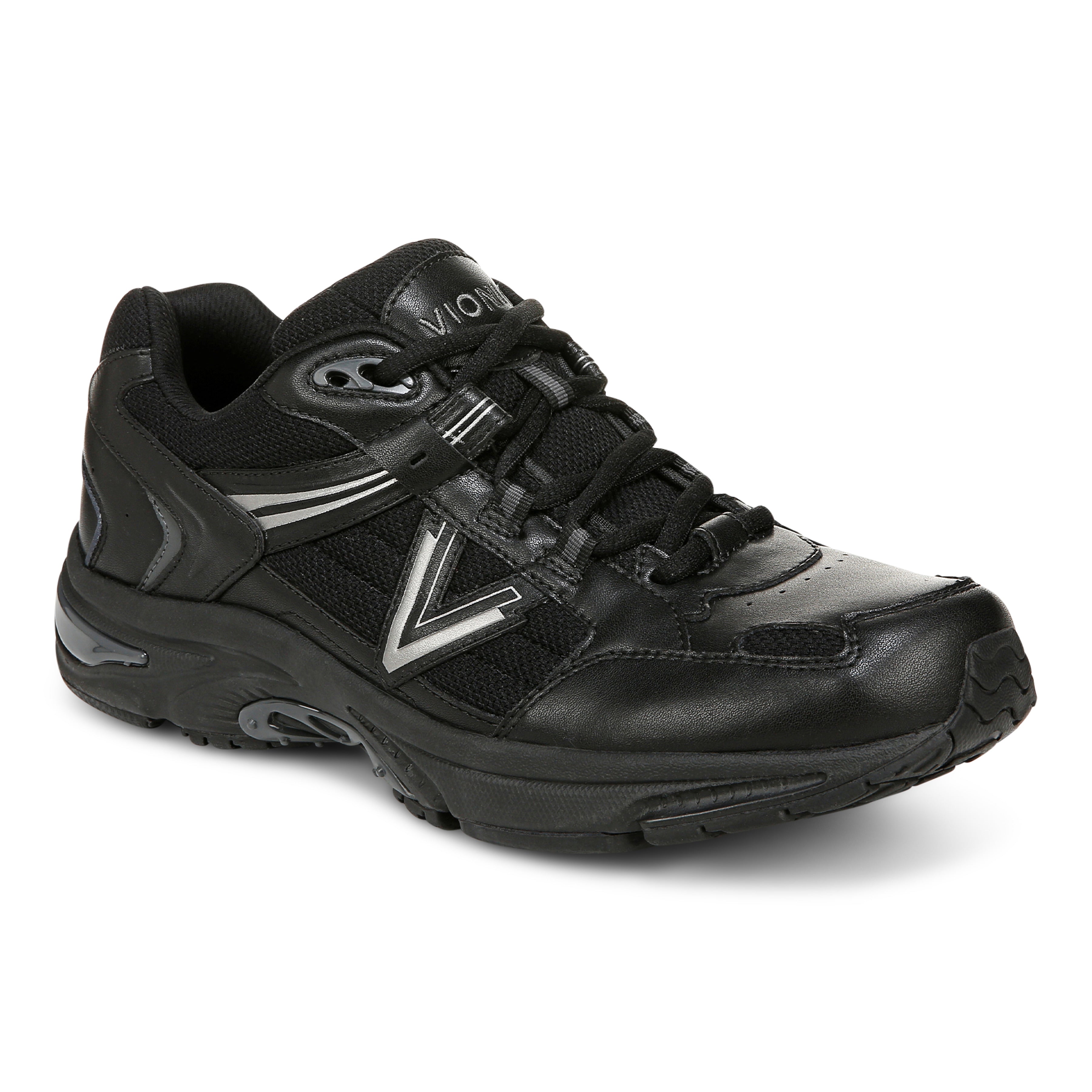
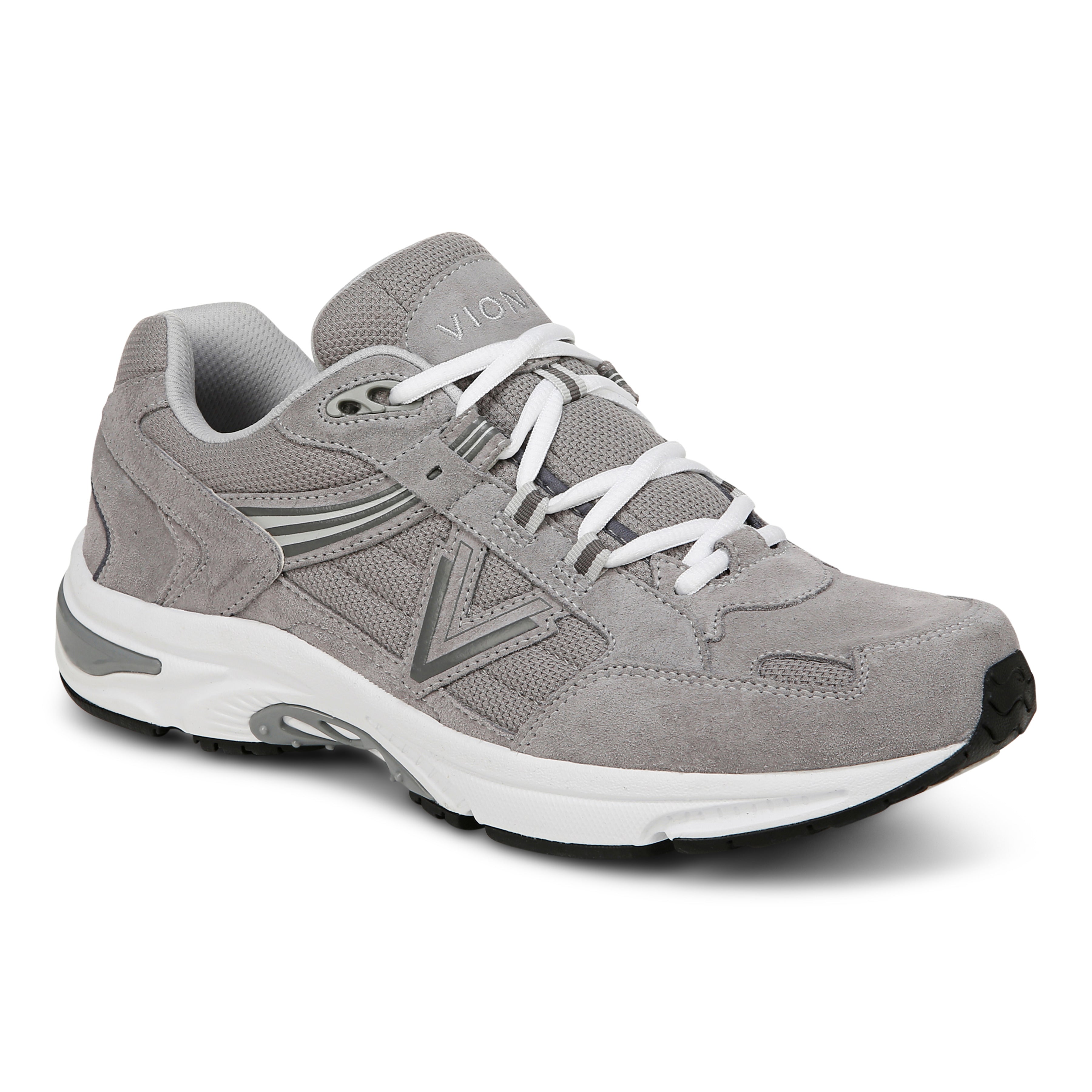
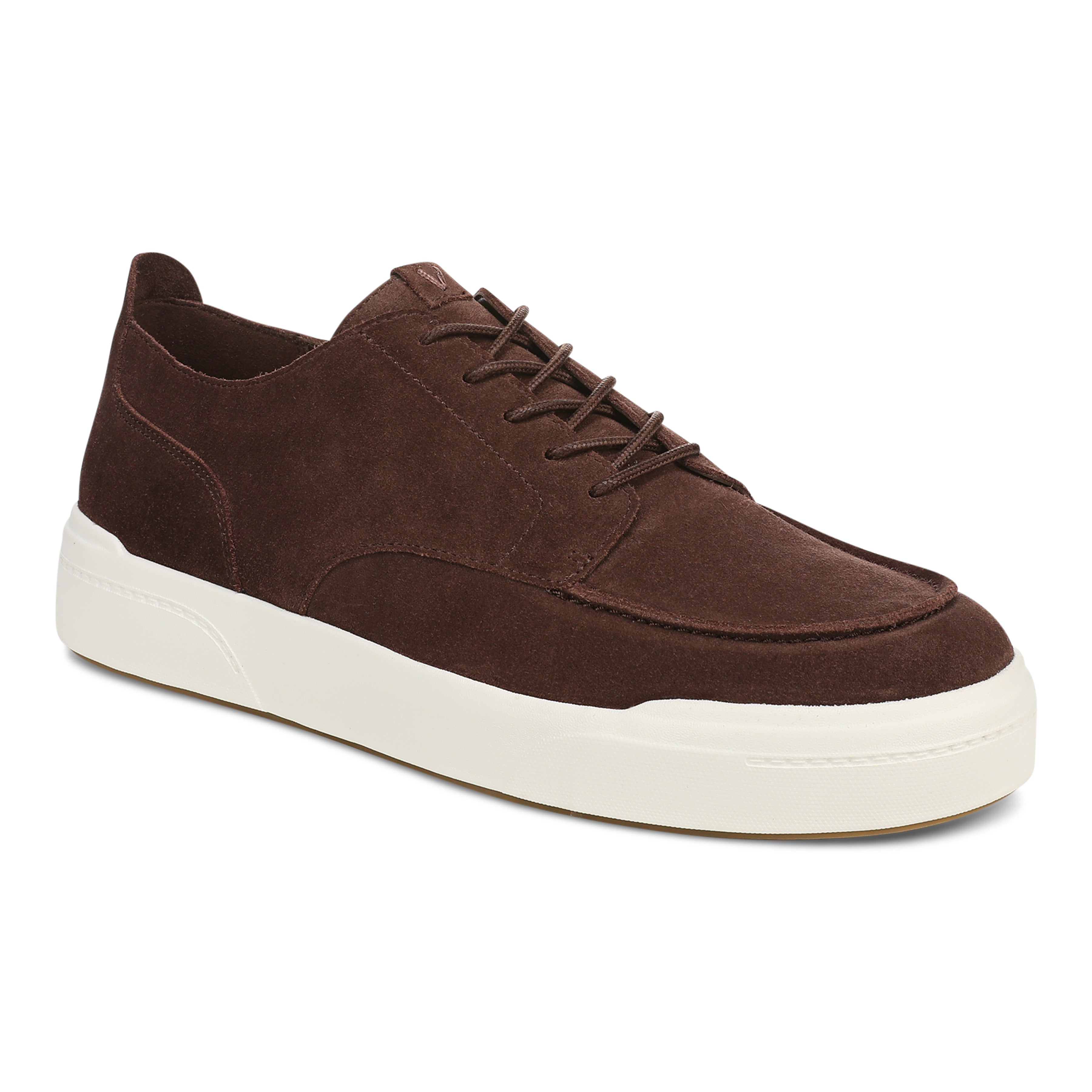
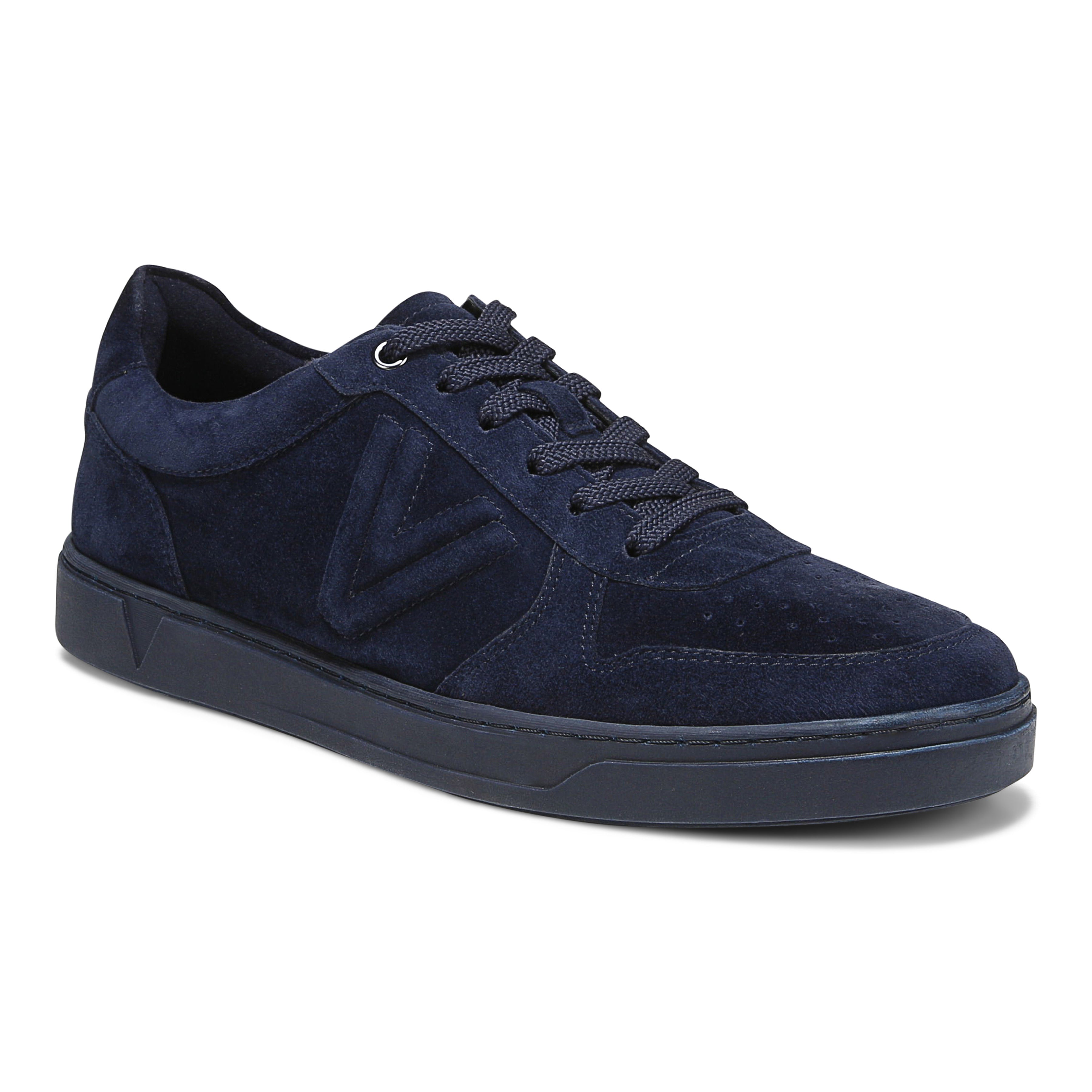
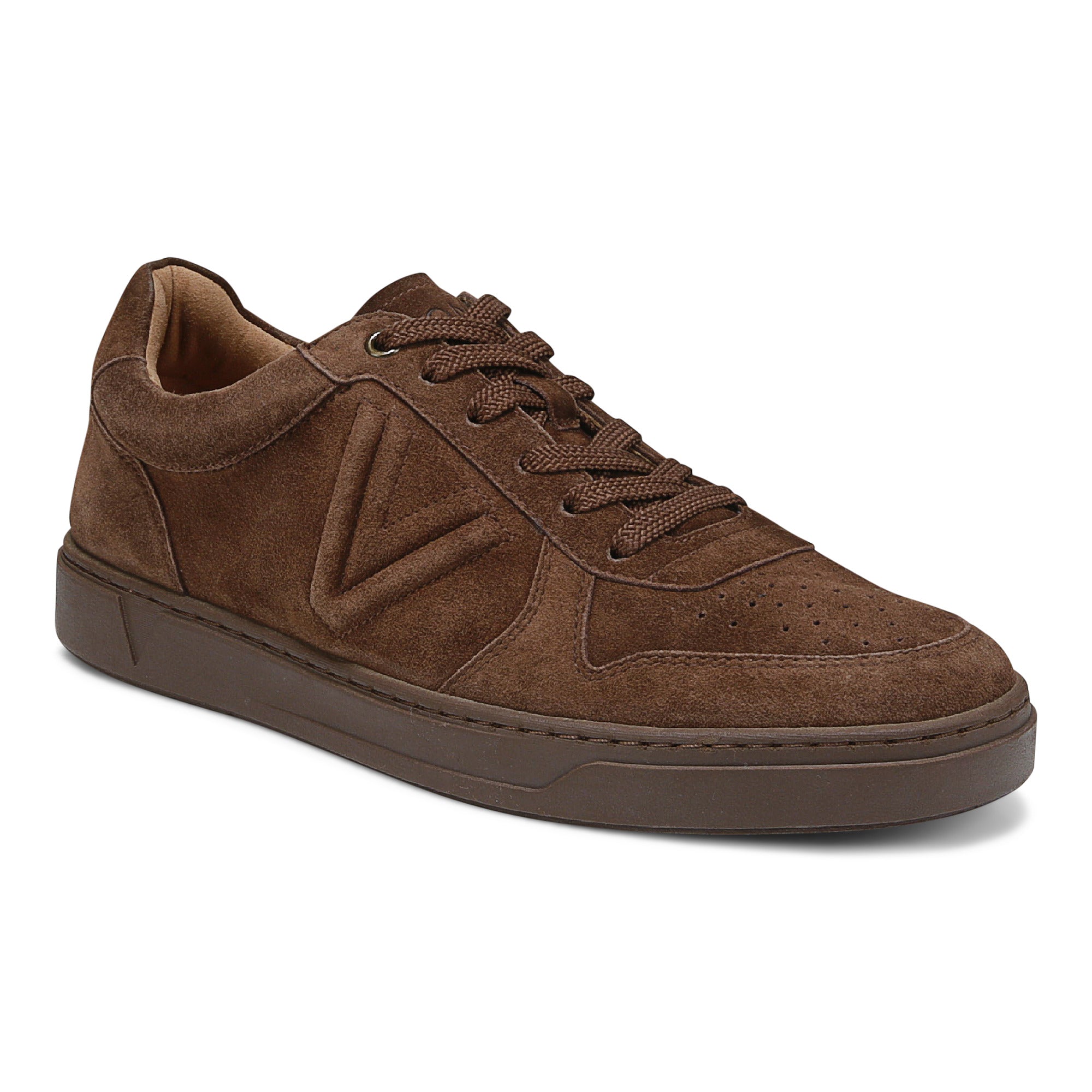
Vionic's men's shoes for heel pain combine advanced cushioning with versatile masculine aesthetics. Men's sneakers offer maximum heel protection for daily use, light sports, and all activities requiring reliable footwear for those suffering from heel pain.
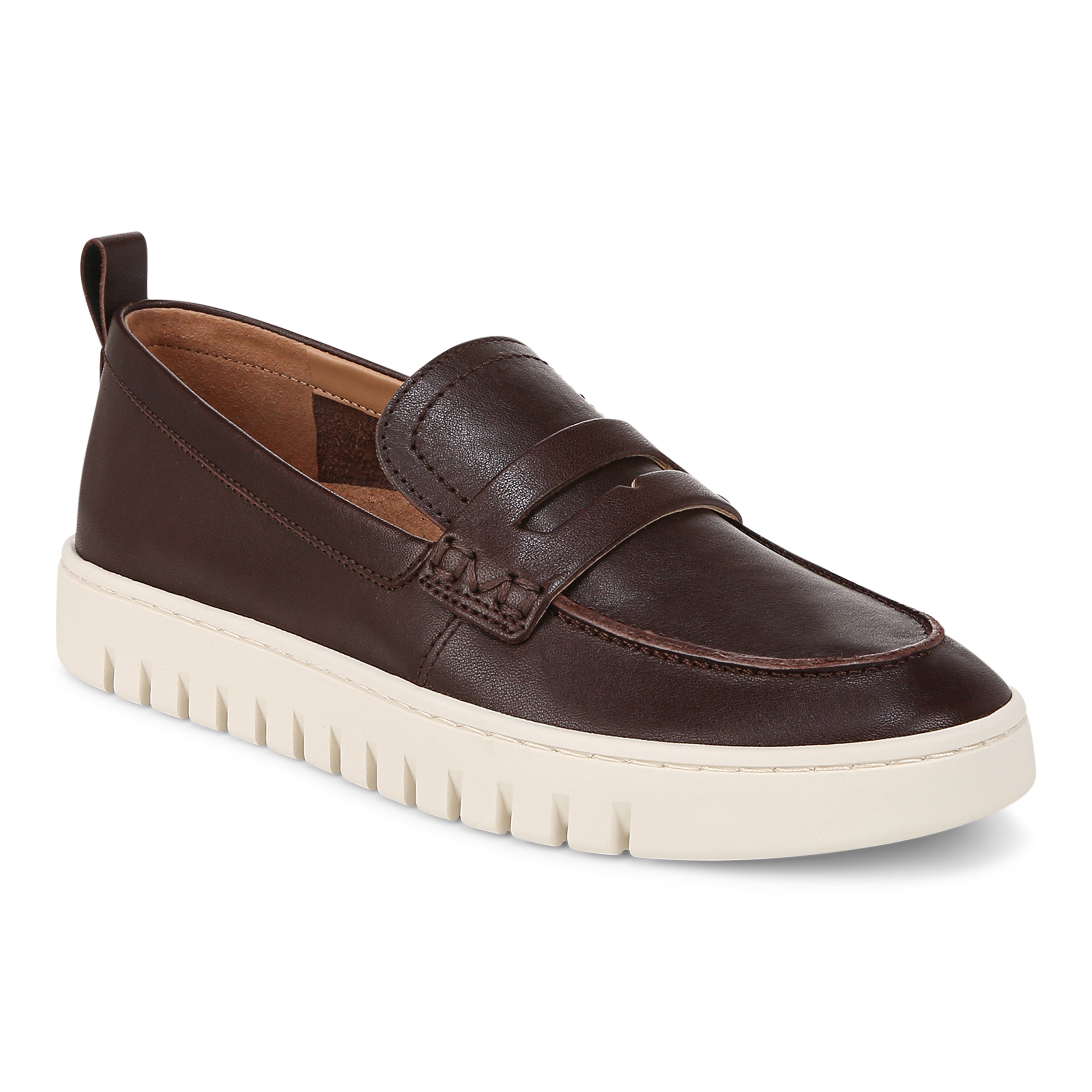
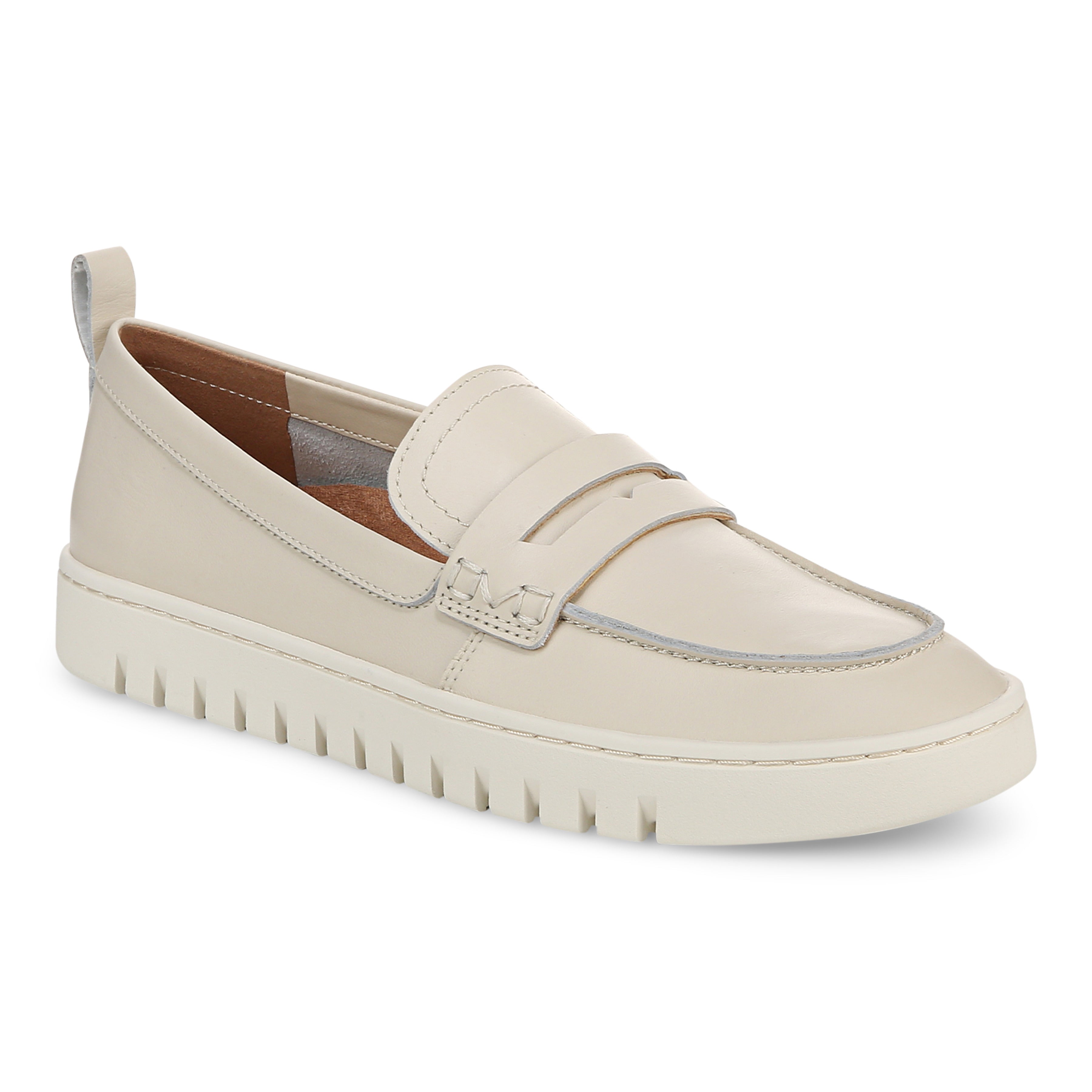
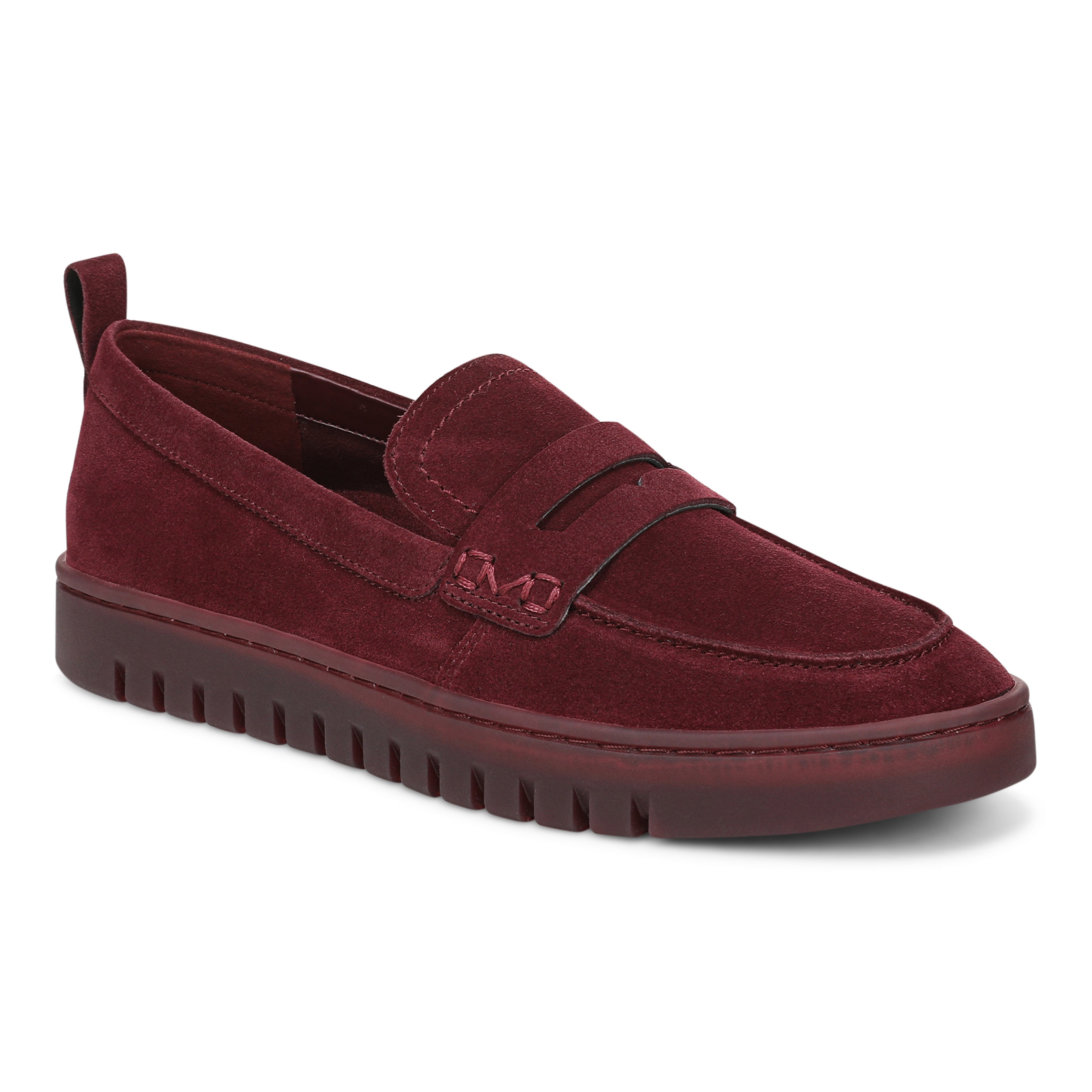
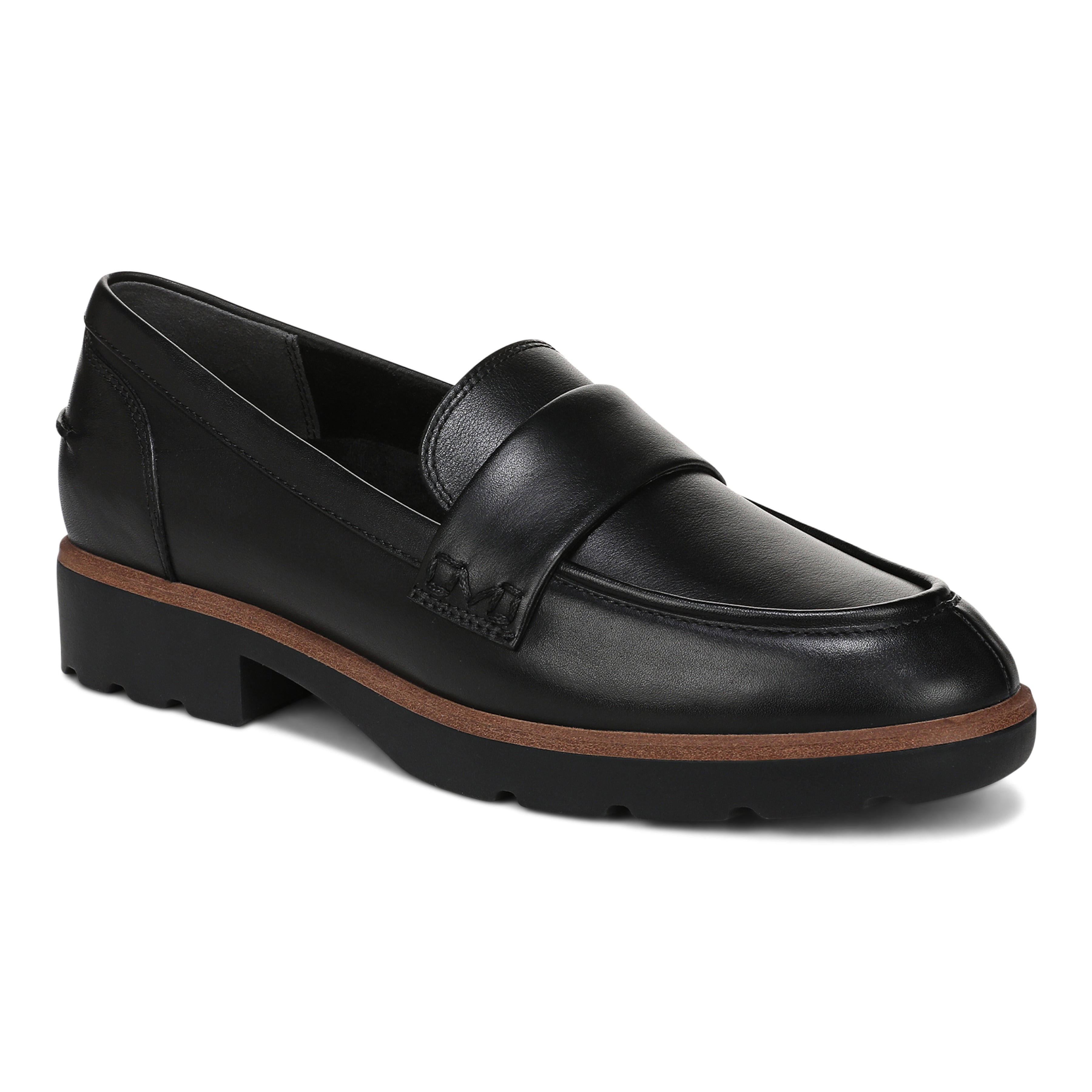
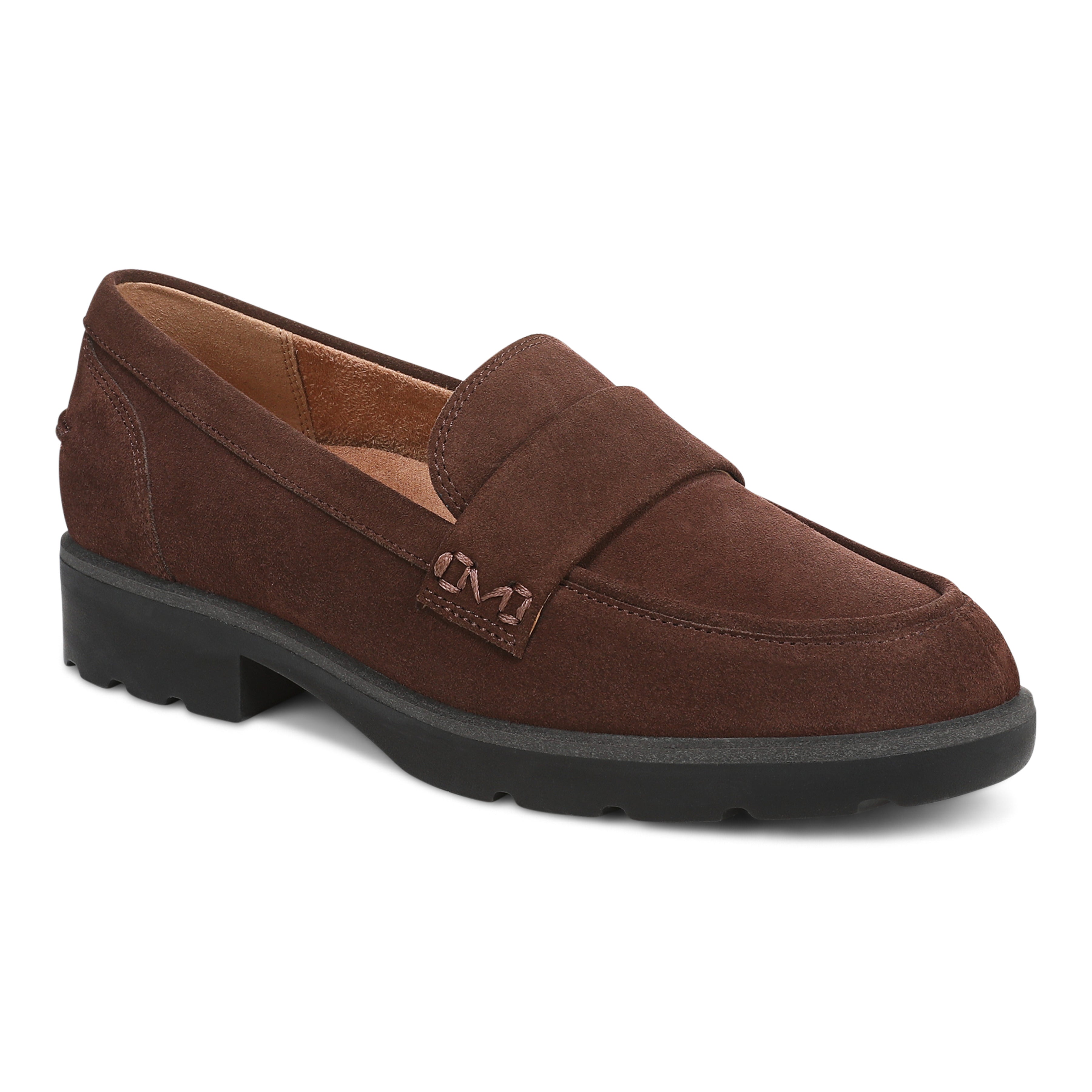
Men's loafers represent an elegant choice that maintains therapeutic cushioning, ideal for professional settings or situations requiring a more formal look. Each model integrates VIO MOTION technology, which reduces heel pain throughout the workday or during daily activities.
Heel pain and related issues
Heel pain often occurs with other foot conditions that require specific attention. Shoes for heel pain and plantar fasciitis must offer both heel cushioning and arch support. Vionic models are ideal for both issues, as they are designed to address common biomechanical causes. Plantar fasciitis benefits from the same technology that helps with heel pain.
Heel spurs are often associated with heel pain, requiring extra cushioning to protect the bony prominence. Vionic shoes offer the necessary protection for this related condition, allowing you to address multiple heel problems with a single footwear solution.
Slippers for heel pain
Slippers for heel pain are important to maintain support even at home, a time when many people tend to walk barefoot, aggravating the condition. Vionic's cushioned slippers for heel pain offer the same biomechanical support and cushioning as closed shoes, allowing feet to rest without losing therapeutic protection.
Using supportive slippers at home prevents the intense morning pain typical of heel pain, keeping the heel protected even during the first steps of the day. Vionic sandals can serve as alternatives to traditional slippers, offering versatility for indoor and outdoor use.
Essential features of shoes for heel pain
Shoes suitable for heel pain must possess specific biomechanical characteristics. Heel cushioning should be generous but not excessively soft, to absorb impacts without compromising stability. The material must be resilient, maintaining cushioning properties even after prolonged use.
A rigid heel counter is essential to keep the heel stable and centered during walking. Arch support distributes weight evenly, reducing concentrated load on the heel. The appropriate drop between the heel and forefoot promotes a natural foot transition without abrupt impacts on the heel.
The insole must be anatomical and supportive, with particular attention to the heel area. The ability to remove the insole allows for the use of custom orthotic inserts if prescribed by a podiatrist. All these features are integrated into Vionic models, specifically developed for biomechanical foot problems.
VIO MOTION technology for heel pain
VIO MOTION technology was developed in collaboration with podiatrists specifically to address issues such as heel pain. The heel cushioning is calibrated to absorb the repetitive impacts that cause and aggravate inflammation, protecting sensitive tissues during every phase of walking.
Biomechanical arch support promotes natural foot alignment, reducing compensatory stress on the heel that often worsens the condition. Integrated stability keeps the heel in a neutral position, preventing lateral movements that could further irritate inflamed tissues.
This comprehensive biomechanical approach not only reduces pain during daily use but also promotes the natural healing process, allowing inflamed tissues to recover while you continue your daily activities with less discomfort.
How to use shoes for heel pain
To get the maximum benefit from shoes for heel pain, follow some important guidelines. Wear the shoes from the morning, when the heel is most sensitive after night rest. Avoid walking barefoot, even at home, using slippers for heel pain to maintain constant cushioning.
Combine the use of shoes with Achilles tendon and calf stretching exercises, practiced regularly to reduce tension on the heel. Apply ice after activities that have stressed the heel, to reduce acute inflammation. Limit high-impact activities such as running or jumping during the acute phase of pain.
If pain persists despite using appropriate footwear, consult a podiatrist or orthopedist for evaluation and personalized treatment. Vionic shoes are an important therapeutic tool but may require integration with other treatments for more severe cases, such as physical therapies, custom orthotics, or pharmacological treatments.
Prevention and long-term management
Heel pain tends to recur if underlying biomechanical causes are not addressed. Continuing to use shoes for heel pain even after acute pain subsides prevents the return of inflammation. Constant cushioning protects the heel from repetitive stress that could reactivate the condition.
Avoid returning to uncushioned footwear, such as flat flip-flops, traditional ballet flats, or thin-soled shoes, which can quickly reactivate the pain. Maintain a healthy body weight to reduce the load on the heels. Practice regular Achilles tendon and calf stretching to maintain flexibility and reduce tension on the heel.
Alternate physical activities to avoid excessive repetitive stress on the heel. If you engage in high-impact sports, make sure you have specific footwear with adequate cushioning. Replace shoes regularly when cushioning deteriorates, generally every 6-12 months for daily use.
Heel pain: causes and symptoms
Heel pain is the inflammation of the tissues of the heel, which can involve the plantar fascia, the fat pad of the heel, or the periosteum of the calcaneus bone. It typically manifests as heel pain, particularly intense in the first steps in the morning or after periods of rest. The pain can be localized in the lower, posterior, or lateral part of the heel.
Common causes include repetitive impacts from sports activities, use of inadequate footwear without cushioning, overweight, advanced age with thinning of the fat pad, high arch that concentrates weight on the heel, and heel spurs. The condition is more frequent among runners, people who stand for work, and overweight individuals.
The pain tends to worsen with prolonged standing or walking, especially on hard surfaces. It can be accompanied by swelling, redness, or a sensation of warmth in the heel area. Conservative treatment with shoes suitable for heel pain is often effective, avoiding more invasive interventions.
Difference between heel pain and plantar fasciitis
Although heel pain and plantar fasciitis both cause heel pain, they are distinct conditions. Plantar fasciitis is the specific inflammation of the fibrous band connecting the heel to the toes, with pain typically localized in the lower inner part of the heel. Heel pain is a more general term that can refer to the inflammation of various heel tissues.
The two conditions can coexist and benefit from similar treatments. Vionic's shoes for heel pain and plantar fasciitis address both issues through heel cushioning and arch support. The comprehensive biomechanical approach is effective for the common causes of both conditions.